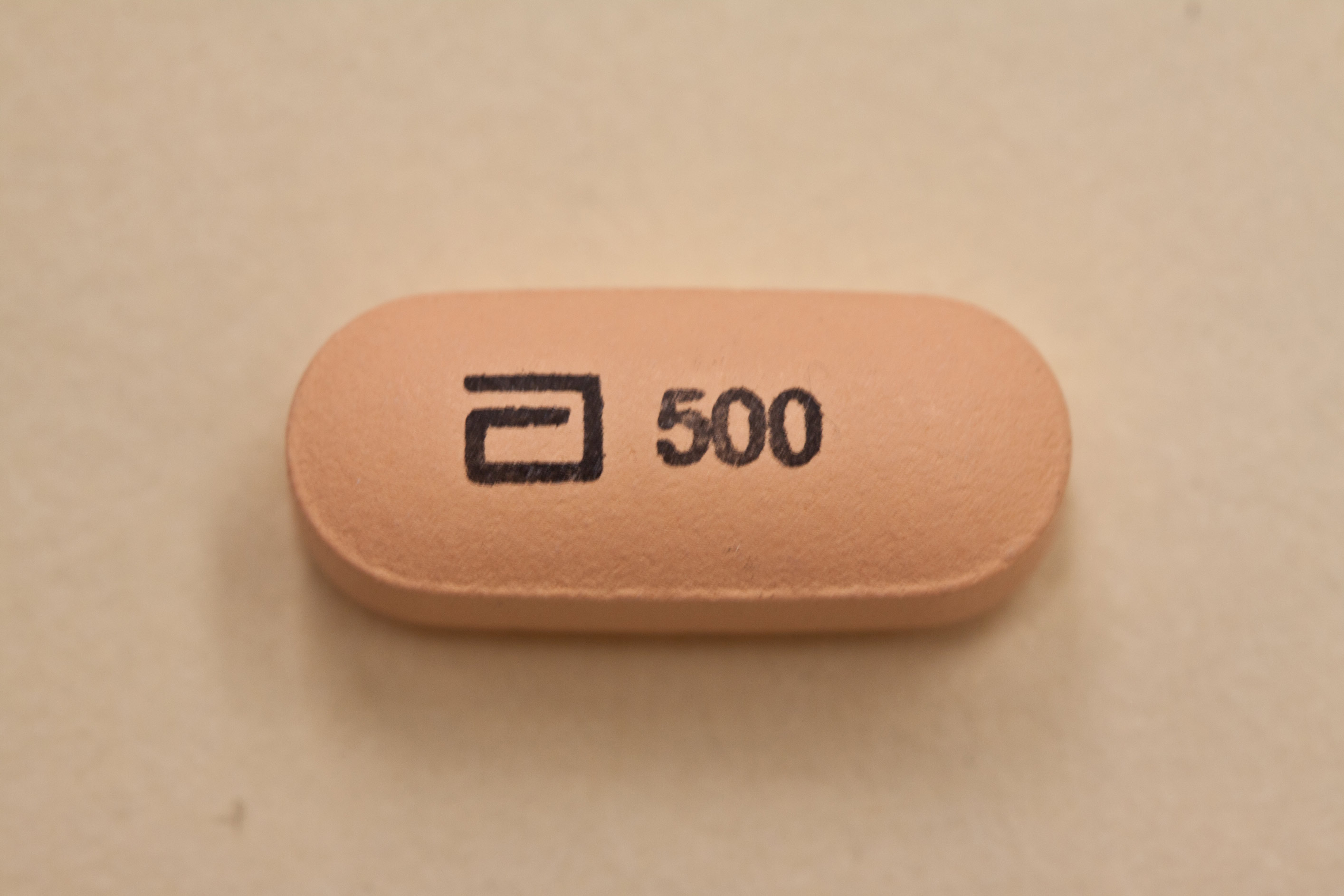
NYE-a-sin
Therapeutic Classification: lipid-lowering agents, vitamins
Pharmacologic Classification: water soluble vitamins
REMS
Absorption: Well absorbed following oral administration.
Distribution: Widely distributed following conversion to niacinamide.
Half-Life: 45 min.
(effects on blood lipids)
| ROUTE | ONSET | PEAK | DURATION |
|---|---|---|---|
| PO (cholesterol) | several days | unknown | unknown |
| PO (triglycerides) | several hr | unknown | unknown |
Contraindicated in:
Use Cautiously in:
Adverse reactions and side effects refer to doses used to treat hyperlipidemia
CV: orthostatic hypotension
Derm: flushing of the face and neck, pruritus, burning, dry skin, hyperpigmentation, ↑sebaceous gland activity, rash, stinging or tingling of skin
EENT: blurred vision, loss of central vision, proptosis, toxic amblyopia
Endo: hyperglycemia
GI: GI upset, bloating, diarrhea, dry mouth, flatulence, heartburn, HEPATOTOXICITY, hunger pains, nausea, peptic ulceration
GU: glycosuria
MS: myalgia
Neuro: dizziness, nervousness, panic
Drug-drug:
Lab Test Considerations: