▶Definitions
■Folliculitis: superficial inflammation surrounding a follicle.
■Furuncle: bacterial folliculitis of a single follicle that involves a deeper portion of the follicle; also known as boils.
■Carbuncle: bacterial folliculitis that involves the deeper portions of several contiguous and interconnected follicles, often draining at multiple points on the cutaneous surface.
▶Types of folliculitis include the following:
■Bacterial folliculitis (the most common type) is most often caused by Staphylococcus aureus. Although many of these isolates are still methicillin-sensitive S aureus (MSSA), some may be methicillin-resistant S aureus (MRSA).
■Pseudomonas (hot tub) folliculitis is usually caused by gram-negative bacteria (most often Pseudomonas aeruginosa).
■Gram-negative bacteria can also cause folliculitis in patients with acne who are receiving long-term antibiotic therapy.
■Malassezia (formerly Pityrosporum), a yeast, may be a cause of folliculitis localized to the back, upper chest, shoulders, and upper arms.
■Demodex (a skin mite) folliculitis presents as an erythematous, follicular papulopustular eruption on the face, usually in hosts who are immunocompromised (eg, children receiving chemotherapy for leukemia).
▶Predisposing conditions for furuncles and carbuncles include obesity, diabetes, immunodeficiency, and malnutrition, as well as warm, humid climates.
▶Folliculitis is characterized by discrete follicular-centered pustules with surrounding erythema (Figures 26.1 and 26.2).
■The most common locations are the buttocks and thighs, especially in young children.
■Occasionally, folliculitis can be seen in areas that are subject to occlusion and irritation from clothing.
■Lesions are most often painless; however, they can be mildly tender and may be pruritic.
■Pseudomonas folliculitis often presents with localization of lesions to areas covered by the bathing garment.
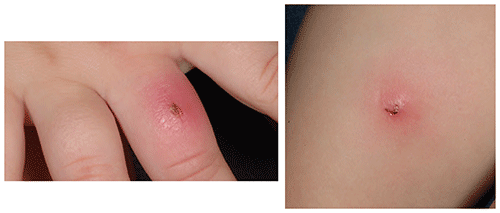
▶Furuncles and carbuncles present as erythematous papulonodules or nodules, often with a central punctum (Figure 26.3).
■The central area tends to be the point where fluctuance will develop.
■Pain is common, and fever may be present.
■Pain diminishes after drainage of the lesion.
▶Skin and soft-tissue infections due to community-acquired MRSA often present as furuncles and carbuncles.
■Lesions typically are erythematous, fluctuant, and painful.
■They may have purulent drainage.
■Other family or household members may have (or previously have had) similar lesions.
Figure 26.1. Folliculitis with Erythematous Papules and Papulopustular Eruption of the Buttocks.
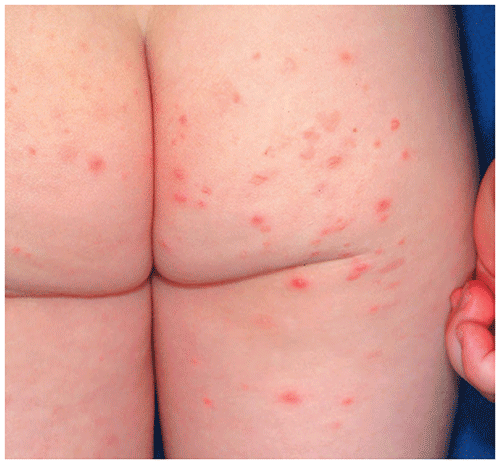
Figure 26.2. The Lesions of Folliculitis are Erythematous Papules and Pustules Centered around Follicles.
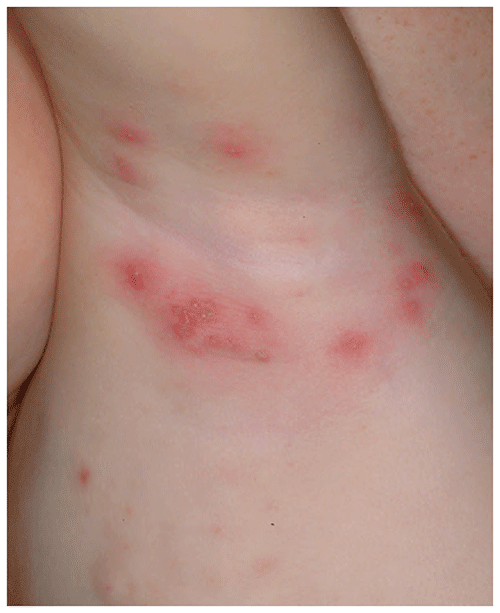
Figure 26.3. Furuncles. These Nodular Lesions May Drain from the Central Portion.
Look-alikes
| Disorder | Differentiating Features |
|---|---|
| Folliculitis from opportunistic organisms (especially in patients who are immunocompromised) |
|
| Viral exanthem |
|
| Insect bites |
|
| Acne nodule |
|
| Hidradenitis suppurativa |
|
▶The diagnosis is usually made clinically.
▶Skin swab for bacterial culture will usually reveal the causative agent.
▶When furuncles or carbuncles are drained, a swab of the contents should be sent for bacterial culture and sensitivities.
▶Preventive measures include the following:
■Avoid tight-fitting clothing.
■Change clothing after activities with excessive sweating.
■Lose weight (if applicable).
■Use antibacterial cleansers such as those that contain chlorhexidine (avoid ear canals), benzoyl peroxide, or sodium hypochlorite at least twice weekly.
■For nasal carriers of S aureus, intranasal mupirocin (for patient and family contacts) may diminish recurrences.
■Patients who are prone to frequent recurrences may benefit from dilute bleach baths: ¼ to ½ cup of sodium hypochlorite solution (liquid bleach) added to a full bathtub of water and used as a soak for 10 minutes twice weekly. Use of a sodium hypochlorite cleanser (as noted previously) is another option.
▶Treatment for folliculitis
■Antibacterial skin cleansers, including chlorhexidine (avoid ears), benzoyl peroxide, or sodium hypochlorite.
■Topical antibiotic may suffice for mild cases (eg, clindamycin, mupirocin, retapamulin, ozenoxacin).
■Oral antistaphylococcal antibiotic (eg, cephalexin, dicloxacillin) for moderate to severe cases. A therapy duration of 5 to 7 days is typically recommended but should be tailored to the individual patient on the basis of resolution of signs and symptoms. If MRSA is suspected or isolated, use of clindamycin, doxycycline (traditionally limited to children >8 years, although recent Red Book® recommendations suggest that this medication can be safely used at any age for 21 days or fewer without concern for dental enamel staining), trimethoprim-sulfamethoxazole, or another appropriate agent (as determined with antibiotic susceptibility testing) is indicated.
■Culture of purulent material whenever possible.
▶Treatment for furunculosis and carbunculosis
■Warm, moist compresses to promote or facilitate drainage.
■Incision and drainage may be necessary for larger or more fluctuant lesions or if the process is caused by MRSA. Incision and drainage are recommended as initial therapy for MRSA-associated furuncles and carbuncles, with or without antibiotics.
■Skin swab of pustular fluid should be sent for bacterial culture.
■Oral antistaphylococcal antibiotic (eg, cephalexin, dicloxacillin) for 5 to 7 days is typically recommended but should be tailored to the individual patient on the basis of resolution of signs and symptoms for MSSA; if MRSA is suspected or isolated, use of clindamycin, doxycycline (see age discussion earlier), trimethoprim-sulfamethoxazole, or another appropriate agent (as determined with antibiotic susceptibility testing) is indicated.
■Of note, in community-associated MRSA skin and soft-tissue infection, the Red Book highlights the utility of drainage in management; according to those guidelines, drainage plus systemic oral therapy are associated with better outcomes compared with drainage alone.
■Studies in adults with recurrent disease have shown the benefit of a 7-day course of oral rifampin and doxycycline in conjunction with nasal mupirocin.
▶In children with typical immunity, the prognosis is excellent.
▶Recurrence is common, especially in the continued presence of common risk factors.
▶Individuals who are immunocompromised may have infections with unusual organisms that are more difficult to diagnose and treat.
▶Consider referral to a dermatologist or infectious disease specialist for patients who have severe or extensive disease, do not respond to standard treatments, are immunocompromised, or have recurrent infections.
▶If the patient develops a severe infection with MRSA that requires hospitalization, an infectious disease specialist should be consulted.
▶Centers for Disease Control and Prevention: Methicillin-resistant Staphylococcus aureus (MRSA) basics.
▶Centers for Disease Control and Prevention: Preventing hot tub rash. Patient information on Pseudomonas (hot tub) folliculitis.
▶MedlinePlus: Information for patients and families (in English and Spanish) sponsored by the US National Library of Medicine and National Institutes of Health.