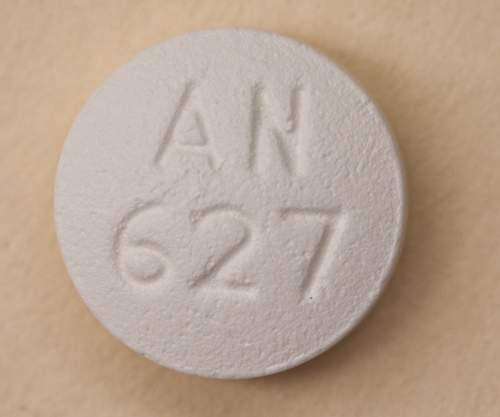
TRA-ma-dol
BEERS REMS, High Alert
Contraindicated in:
Ultra-rapid metabolizers of CYP2D6 (↑ risk of respiratory depression and death)
;Children <12 yr, children <18 yr following tonsillectomy and/or adenoidectomy, and children 12–18 yr who are postoperative; have obstructive sleep apnea, obesity, severe pulmonary disease, or neuromuscular disease; or are taking other medications that cause respiratory depression (↑ risk of respiratory depression and death)
.Use Cautiously in:
Use during pregnancy only if potential maternal benefit justifies potential fetal risk. Chronic maternal treatment with opioids during pregnancy may result in neonatal opioid withdrawal syndrome
;Derm: pruritus, sweating
EENT: visual disturbances
Endo: hypoglycemia
F and E: hyponatremia
GI: constipation, nausea, abdominal pain, anorexia, diarrhea, dry mouth, dyspepsia, flatulence, vomiting
GU: ↓fertility, menopausal symptoms, urinary retention/frequency
Neuro: dizziness, headache, somnolence, anxiety, confusion, coordination disturbance, euphoria, hypertonia, malaise, nervousness, SEIZURES, sleep disorder, stimulation, weakness
Resp: RESPIRATORY DEPRESSION (INCLUDING CENTRAL SLEEP APNEA AND SLEEP-RELATED HYPOXEMIA)
Misc: allodynia, opioid-induced hyperalgesia, physical dependence, psychological dependence, tolerance
Drug-drug:
Use with benzodiazepines or other CNS depressants, including other opioids, nonbenzodiazepine sedative/hypnotics, anxiolytics, general anesthetics, muscle relaxants, antipsychotics, and alcohol, may cause profound sedation, respiratory depression, coma, and death; reserve concurrent use for when alternative treatment options are inadequate.
CYP2D6 inhibitors, including quinidine, fluoxetine, paroxetine, and bupropion, may ↓ levels of active metabolite (M1) and lead to ↓ analgesic effects.
CYP3A4 inhibitors, including erythromycin, clarithromycin, ketoconazole, itraconazole, and protease inhibitors, may allow for a greater degree of metabolism via CYP2D6 and ↑ levels of the active metabolite (M1), leading to respiratory depression.
CYP3A4 inducers may ↓ levels and effectiveness.
Drug-Natural Products:
Immediate Release
Renal Impairment
Hepatic Impairment
Extended Release
Therapeutic Classification: analgesics (centrally acting), opioid analgesics
Pharmacologic Classification: opioid agonists
Absorption: Immediate release: 75% absorbed after oral administration; Extended release: 85–90% (compared with immediate release).
Distribution: Widely distributed to tissues.
Half-Life: Tramadol (immediate release): 6–8 hr, Extended release: 7.9 hr; Active metabolite: 7–9 hr; both are ↑ in renal or hepatic impairment.
(analgesia)
| ROUTE | ONSET | PEAK | DURATION |
|---|---|---|---|
| PO–immediate release | 1 hr | 2–3 hr | 4–6 hr |
| PO–extended release | unknown | 12 hr | 24 hr |
Advise women of reproductive potential to notify health care provider if pregnancy is planned or suspected and to avoid breastfeeding during therapy. Inform patient of potential for neonatal opioid withdrawal syndrome with prolonged use during pregnancy. Monitor neonate for signs and symptoms of withdrawal symptoms (irritability, hyperactivity and abnormal sleep pattern, high-pitched cry, tremor, vomiting, diarrhea, failure to gain weight); usually occur the 1st days after birth. Monitor infants exposed to tramadol through breast milk for excess sedation and respiratory depression. Neonatal seizures, fetal death, and stillbirth have been reported with tramadol immediate-release products. Chronic use may ↓ fertility in men and women.