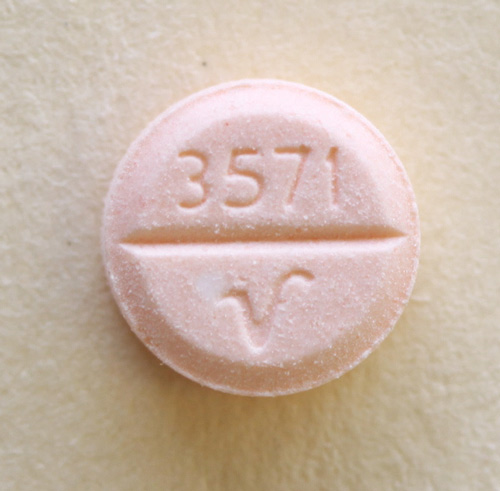
hye-droe-klor-oh-THYE-a-zide 
Therapeutic Classification: antihypertensives, diuretics
Pharmacologic Classification: thiazide diuretics
Absorption: Rapidly absorbed after oral administration.
Distribution: Distributed into extracellular space; crosses the placenta and enters breast milk.
Metabolism/Excretion: Excreted mainly unchanged by the kidneys.
Half-life: 6–15 hr.
(diuretic effect)
| ROUTE | ONSET | PEAK | DURATION |
|---|---|---|---|
| PO† | 2 hr | 3–6 hr | 6–12 hr |
†Onset of antihypertensive effect is 3–4 days and does not become maximal for 7–14 days of dosing.
Contraindicated in:
Use Cautiously in:
CNS: dizziness, drowsiness, lethargy, weakness.
CV: hypotension.
Derm: SKIN CANCER (NON-MELANOMA), STEVENS JOHNSON SYNDROME, photosensitivity, rash.
EENT: acute angle-closure glaucoma, acute myopia.
Endo: hyperglycemia.
F and E: hypokalemia, dehydration, hypercalcemia, hypochloremic alkalosis, hypomagnesemia, hyponatremia, hypophosphatemia, hypovolemia.
GI: PANCREATITIS, anorexia, cramping, hepatitis, nausea, vomiting.
Hemat: blood dyscrasias.
Metab: hyperuricemia, hypercholesterolemia.
MS: muscle cramps.
Drug-Drug:

(Generic available)
NDC Code*