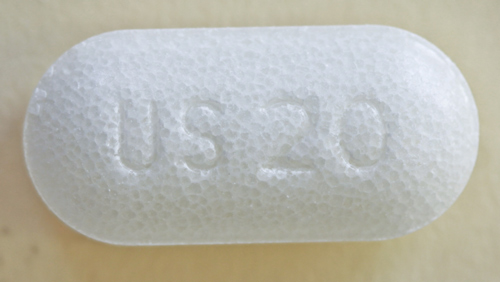
poe-TASS-ee-um KLOR-ide
Absorption: Well absorbed following oral administration. IV administration results in complete availability.
Distribution: Enters extracellular fluid; then actively transported into cells.
Half-Life: Unknown.
| ROUTE | ONSET | PEAK | DURATION |
|---|---|---|---|
| PO | unknown | 1–2 hr | unknown |
| IV | rapid | end of infusion | unknown |
Contraindicated in:
Use Cautiously in:
CV: ARRHYTHMIAS, ECG changes
F and E: hyperchloremia, hyperkalemia
GI: abdominal pain, diarrhea, flatulence, nausea, vomiting, tablets, capsules onlyGI ulceration, stenotic lesions
Local: irritation at IV site
Neuro: confusion, paralysis, paresthesia, restlessness, weakness
Drug-drug:

Normal Daily Requirements
Prevention of Hypokalemia During Diuretic Therapy
Treatment of Hypokalemia
Lab Test Considerations:
Toxicity and Overdose:
IV Administration:
Potassium chloride is a vesicant (at concentrations >0.1 mEq/mL). If extravasation occurs, immediately stop infusion. Leave needle/cannula in place temporarily but do not flush the line. Gently aspirate extravasated solution; then remove needle/cannula. Elevate patient's extremity and apply dry warm compresses. Initiate hyaluronidase antidote for refractory cases in addition to supportive management. For hyaluronidase, inject a total of 1 mL (150 units/mL) intradermally or SUBQ as five separate 0.2-mL injections (using a tuberculin syringe) around the site of extravasation; if IV catheter remains in place, administer IV through the infiltrated catheter; may repeat in 30–60 min if no resolution.