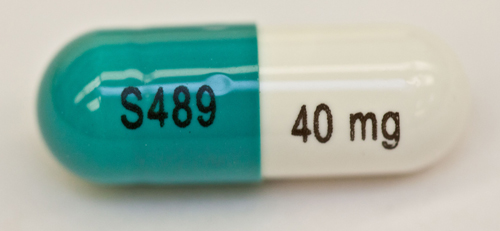
lis-dex-am-FET-a-meen
Therapeutic Classification: central nervous system stimulants
Pharmacologic Classification: sympathomimetics
Absorption: Rapidly absorbed and converted to dextroamphetamine, the active drug.
Distribution: Unknown.
Half-Life: <1 hr.
Contraindicated in:
Use Cautiously in:
History of substance abuse
;Continual use (may result in psychological or physical dependence)
;CV: hypertension, tachycardia, Raynaud phenomenon, SUDDEN DEATH
Derm: alopecia, rash
EENT: blurred vision, poor accommodation
GI: ↓appetite, abdominal pain, dry mouth, intestinal ischemia, nausea, vomiting, weight loss (especially with prolonged use)
GU: ↓libido, priapism
MS: RHABDOMYOLYSIS
Neuro: behavioral disturbances, dizziness, hallucinations, insomnia, irritability, mania, paresthesia, psychomotor hyperactivity, thought disorder, tics, Tourette syndrome
Misc: physical dependence, psychological dependence, SEROTONIN SYNDROME
Drug-drug:
Attention-Deficit Hyperactivity Disorder
Renal Impairment
Binge Eating Disorder
Assess for risk of abuse, misuse, or addiction prior to starting therapy and during therapy. Has high dependence and abuse or misuse potential. Misuse and abuse of CNS stimulants can result in overdose and death; this risk is ↑ with higher doses or unapproved methods of administration, such as snorting or injection. Tolerance to medication occurs rapidly; do not ↑ dose.
Lab Test Considerations:
Advise patient that lisdexamfetamine is a drug with known potential for abuse, misuse, or addiction. Store in safe place, protect it from theft, and never give to anyone other than the individual for whom it was prescribed.
NDC Code