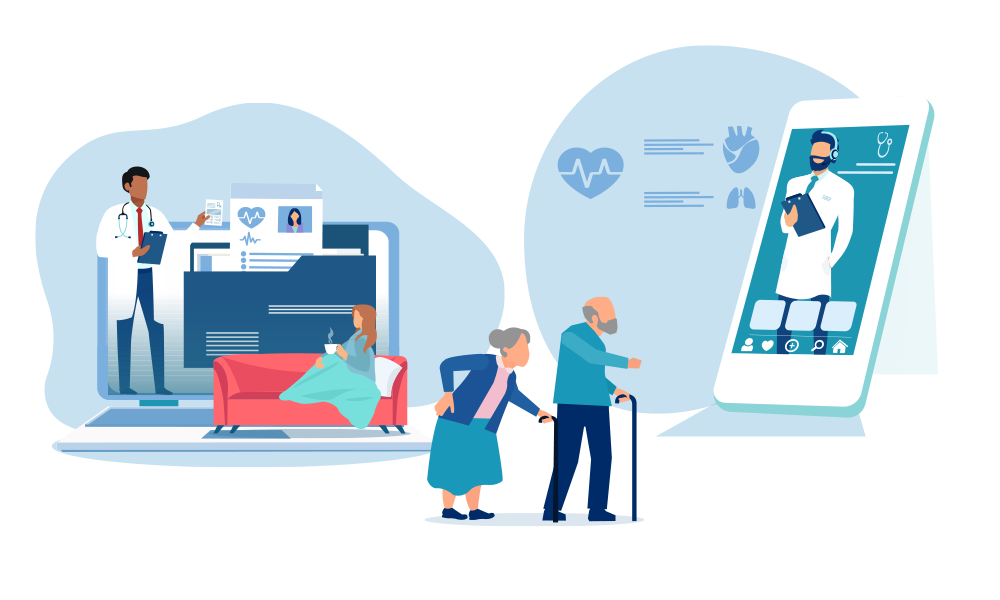
As they say, there are two sides to a coin, and COVID surely taught us to reinvent and innovate. Just as remote work is now ingrained in society, so is remote healthcare. With rising healthcare costs, insurance companies, payers and other stakeholders are driving to keep patients out of the expensive hospital system and move them to home healthcare. This is great for the home health industry, but the already stressed system will feel more burden in the short term.
The policies, including reimbursements, are being redefined for this paradigm of care. Home healthcare has been around for a long time, and it was how patient care was first handled, triggering memories of Florence Nightingale, the lady with the lamp, who visited patients at home and treated them.
Now the healthcare system is more complex, and as an industry it must adapt to keep up with demand. When a road is congested by additional traffic, you either expand the road at a cost or reduce the number of cars on it. You can also make travel on the road more efficient with traffic lights, roundabouts, or other innovations so that more cars can travel. Technology is that innovative prescription for home healthcare.
As demand increases and more patients flow into the home healthcare system, staff are burdened to provide optimum care and improve patient outcomes with limited resources. That intersection is where technology platforms can help, with real-time communication and collaboration tools on the provider’s phone itself.
So many of the commonplace tasks that take place every day are perceived as roadblocks to quality care. If a nurse wants to message the doctor or call the patient, or if a doctor wants to reach a pharmacist or make a referral, those tasks should take a few seconds, letting the provider focus on what they do best: patient care.
The Four Major Pain Points for a Home Healthcare Agency
- Operational inefficiencies under the Patient Driven Groupings Model (PDGM)
- Insufficient documentation leading to audits and denials
- Lost revenue from Low Utilization Payment Adjustments (LUPA)
- Lost business from low Hospital Consumer Assessment of Healthcare Providers and Systems (HCAHPS) ratings
At their core, all of these challenges come back to communication, whether that’s collaboration or coordination of care, documentation, or interfacing with patients. For such an essential function of hospital and healthcare systems, it’s remarkable how often communication trips an organization up. A secure, real-time communication and collaboration platform with capabilities beyond existing electronic medical record (EMR) systems can help solve some of these issues and reduce administrative burden manyfold.
For example, if a group chat is formed for every patient at intake, all providers can communicate about the patient’s care instantly and create a group-wide record. The provider can also communicate with patients and their families by audio (caller ID enabled for discreet calls) or video, get document consents through the app itself, receive or send faxes in the app, and reach out to providers outside the organization for referrals.
One such example is Skyscape’s Buzz platform, a HIPAA-secure platform available as a mobile app or in a desktop browser. Buzz also integrates trusted clinical reference content, a good companion for confirming a dosage or diagnosis at the point of care.
Functionality That Helps a Home Health Real-Time Communication and Collaboration Platform
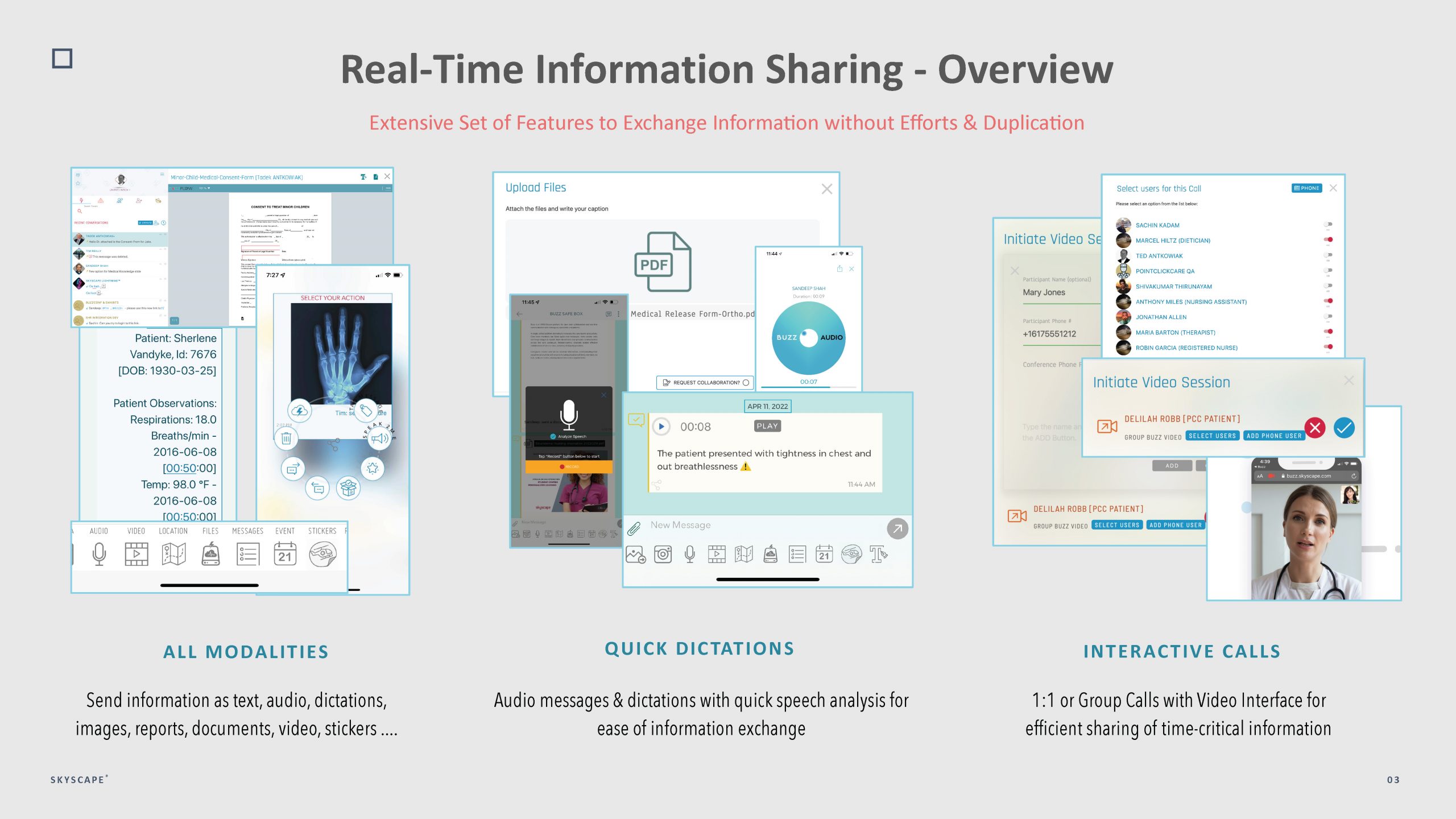
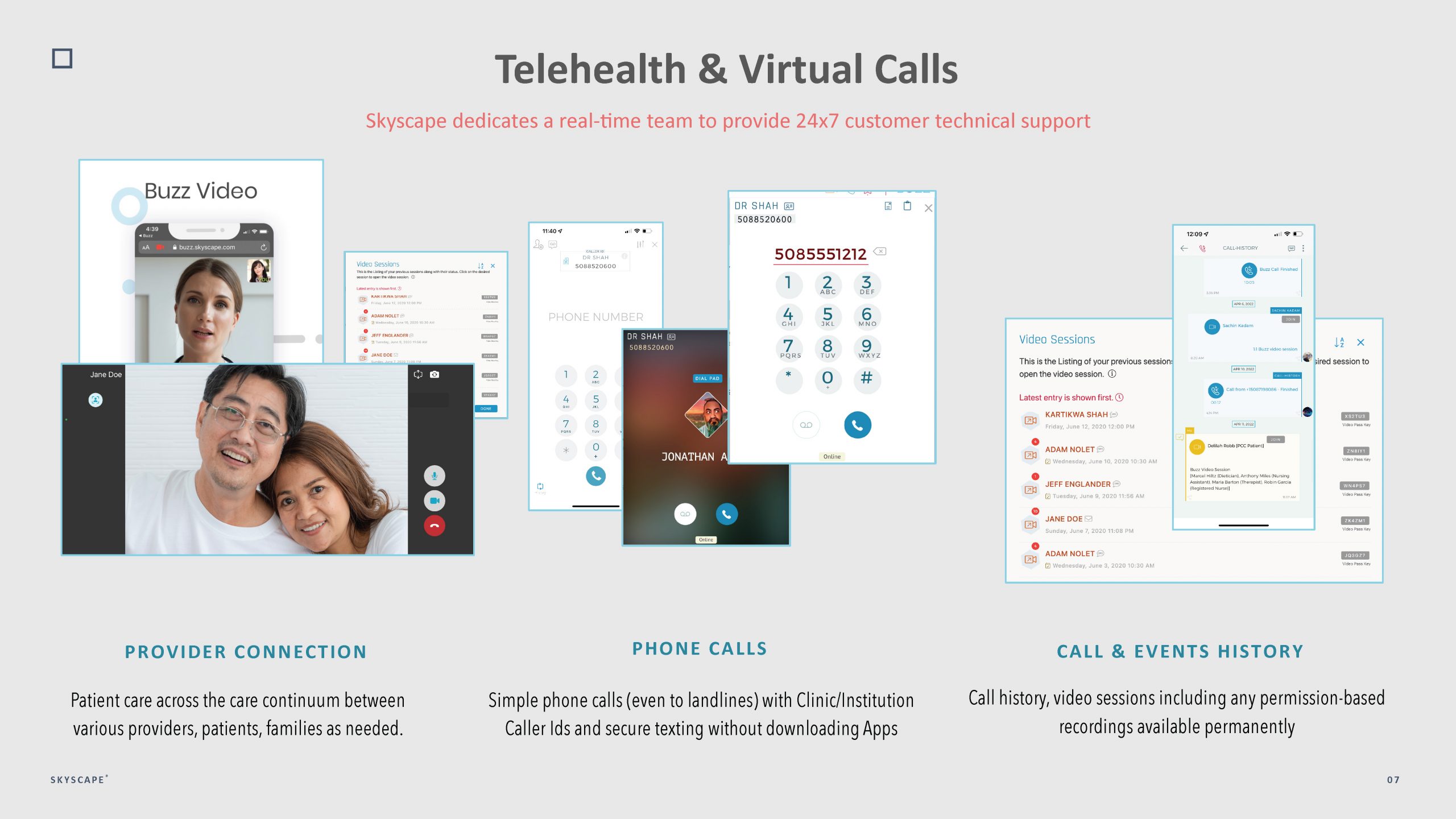
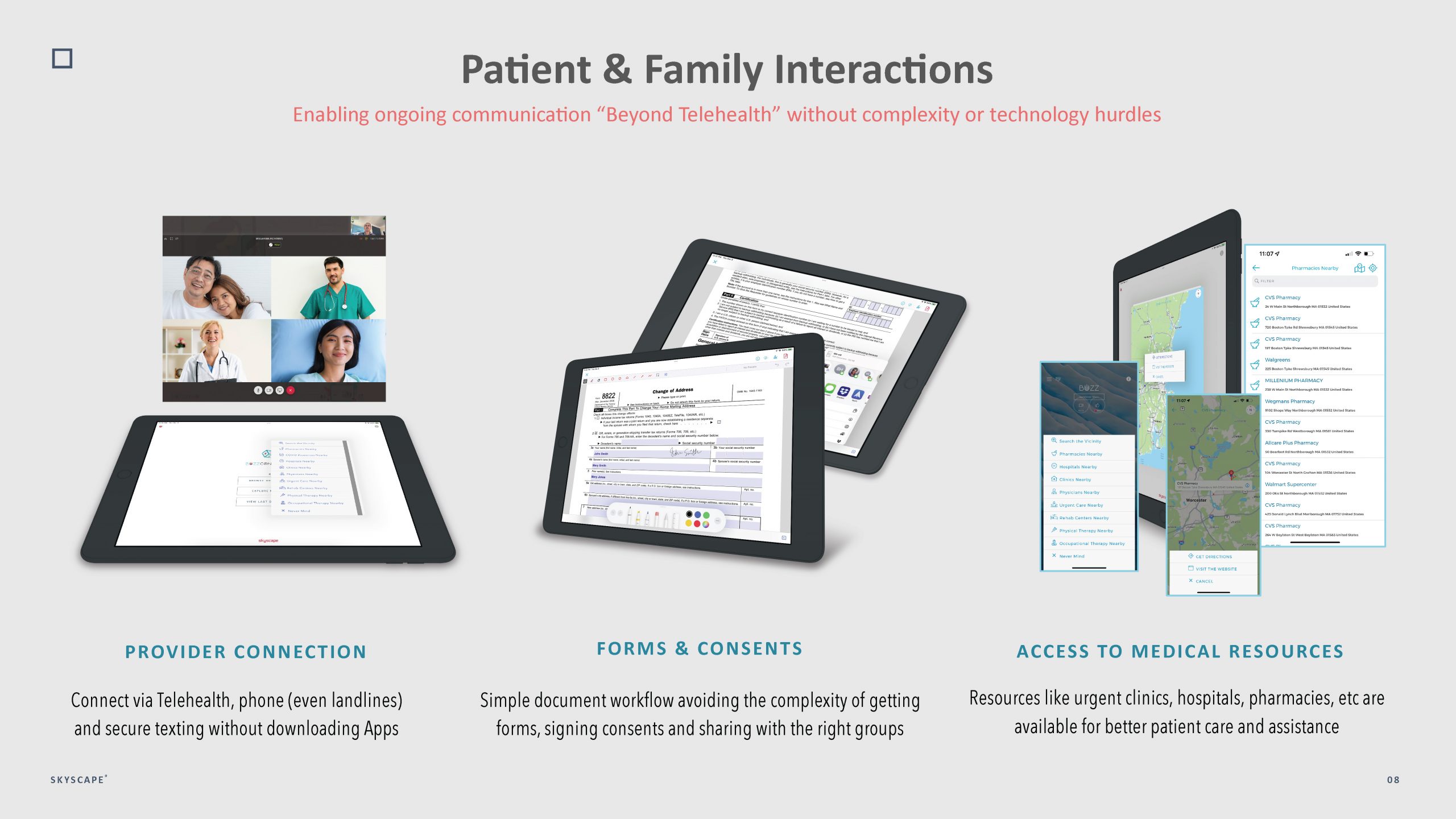
With the maturity of telemedicine, hybrid care models are now popular across all healthcare silos: hospitals, clinics and home health. They can reduce costs and save time for both patient and provider. Even in rehab, patients can be sent home earlier with exercise videos and a well-documented rehab plan. When a nurse visits a patient at home, technology lets the nurse communicate securely with the home office about any questions, exchange documents and consents, and update patient progress and charts, all from a remote location.
Technology can be a real friend if deployed correctly. The irony is that in home healthcare, technology can cut the clutter created by technology. EMR implementations have added complexity and time-consuming administrative burden instead of simplifying care for providers. A collaborative technology can coordinate care teams within their existing workflow instead of creating new workflows.
The EMR has its usefulness over the long run for record keeping and documentation, but an organization can get started with a real-time communication and collaboration app that installs within minutes, streamlining communication and improving efficiency right away. When deploying any technology, security is key, and proper due diligence is needed so patient data is never compromised and HIPAA-level security is met.
Home healthcare stands to benefit as the shift of patient care from hospital to home continues to gain momentum. Technology can surely be a friend to help the home health industry keep up with increasing demand and meet the ultimate goal of improved patient outcomes.