Author: AnnGene Anthony, MD, MPH, FAAFP
Chronic pain is pain that persists for longer than the expected time frame (typically >3 mo) or that is associated with progressive, nonmalignant disease. Pain is an unpleasant sensory and emotional experience associated with actual or potential tissue damage or described in terms of such damage. The perception of pain is influenced by physiologic, psychologic, and social factors. Chronic pain may be the direct result of an underlying disease process, or it may be a separate medical condition.
While chronic cancer-related pain exhibits similar pathophysiologic mechanisms as chronic pain syndromes, it is considered a separate entity (with different treatment recommendations) due to the pronounced affective motivational and cognitive components of this condition.
| ICD-10CM CODES | |||
| G89.21 | Chronic pain due to trauma | ||
| G89.22 | Chronic post-thoracotomy pain | ||
| G89.3 | Neoplasm-related pain (acute) (chronic) | ||
| G89.4 | Chronic pain syndrome | ||
| G89.28 | Other chronic post-procedural pain | ||
| G89.29 | Other chronic pain | ||
Estimates of the prevalence of chronic pain in the U.S. vary widely. A 2016 Centers for Disease Control and Prevention (CDC) report noted a point prevalence of chronic pain of 20.4% with estimates ranging from 11% to 40% in many populations. A 2011 report from the Institute of Medicine, Relieving Pain in America, estimates that 116 million adults live with chronic pain at a cost of almost $635 billion per yr. Chronic pain is the third-leading cause of physical impairment in the U.S. and the leading cause of disease burden and disability globally. Patients with chronic pain may also experience mood changes, depression, sleep disturbances, fatigue, and decreased overall physical functioning. Epidemiologic studies indicate a higher prevalence in women, individuals with lower socioeconomic status, veterans, and individuals residing in rural areas.
TABLE E1 Questions to Ask When Pain Persists
| Pain Syndromes: What Is the Problem? | Selected Diagnostic Considerations | Consider: |
| ||
| ||
CNS, Central nervous system; ESR, Erythrocyte sedimentation rate; MRI, magnetic resonance imaging; SSRI, selective serotonin reuptake inhibitor.
From Stern TA: Massachusetts General Hospital handbook of general hospital psychiatry, ed 8, Philadelphia, 2025, Elsevier.
BOX E1 Components of a Comprehensive Assessment of Cancer Pain
From Niederhuber JE: Abeloffs clinical oncology, ed 6, Philadelphia, 2020, Elsevier.
The nervous system pathophysiology of chronic pain is described in Table E2. Mechanisms of chronic pain can be divided into three broad categories:
TABLE E2 Chronic Pain: Nervous System Pathophysiology
| Neurologic Mechanisms | Physiologic Effects | Clinical Implications |
|
| |
5-HT, 5-Hydroxytryptamine; CRPS, complex regional pain syndrome; GABA,γ-aminobutyric acid; NE, norepinephrine; NMDA, N-methyl-D-aspartate; SSRIs, selective serotonin re-uptake inhibitors.
From Stern TA: Massachusetts General Hospital handbook of general hospital psychiatry, ed 8, Philadelphia, 2025, Elsevier.
BOX E2 Etiology of Pain in Patients With Cancer
From Niederhuber JE: Abeloffs clinical oncology, ed 6, Philadelphia, 2020, Elsevier.
TABLE E3 Pain Management and Treatment
| Pain Characteristics | What Treatment Is Next? | Comments |
| ||
|
AEDs, Antiepileptic drugs; IV, intravenous; MRI, magnetic resonance imaging; SSRIs, selective serotonin reuptake inhibitors; VAS, visual analog scale.
From Stern TA: Massachusetts General Hospital handbook of general hospital psychiatry, ed 8, Philadelphia, 2025, Elsevier.
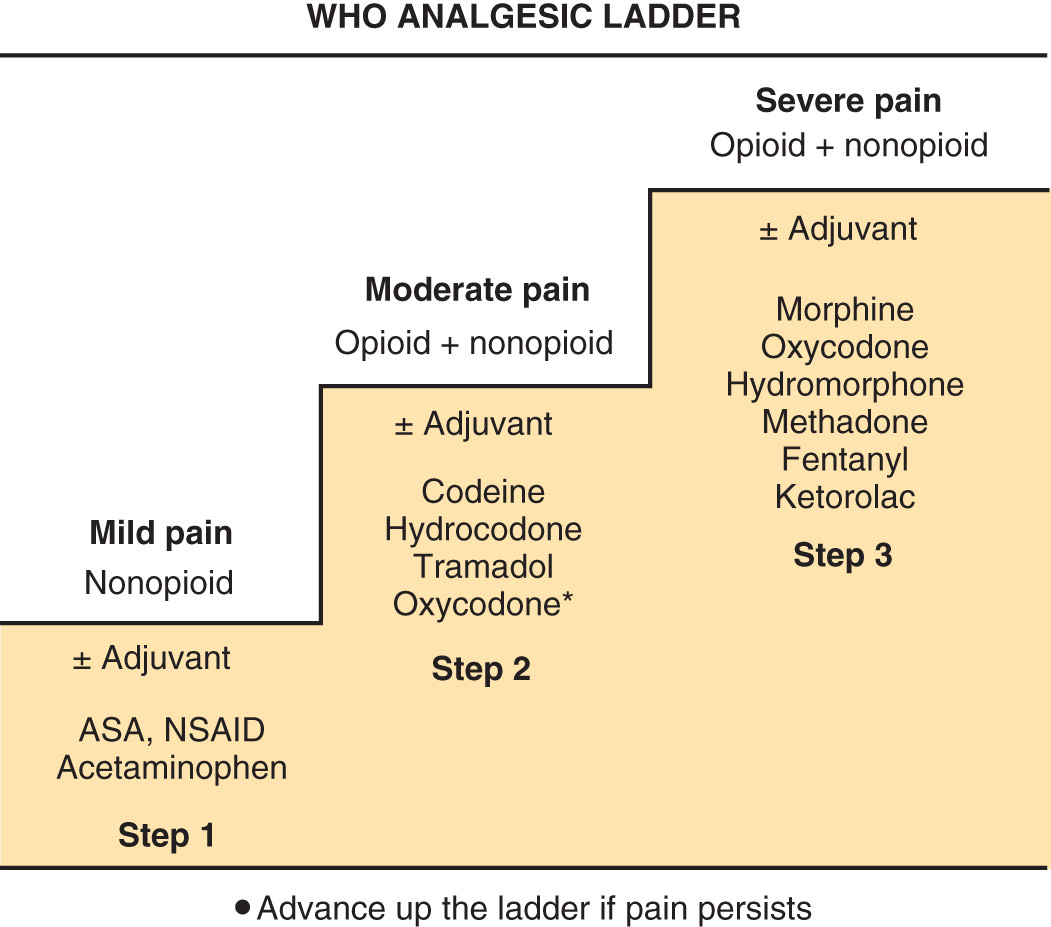
Figure E1 Strategy for Pharmacologic Management of Pain Using a Modified (Four-Step) World Health Organization Analgesic Ladder

Multiagent therapy is usually required for optimal pain management. Patients with mild pain should be started on a nonopioid analgesic, and those with moderate pain should be started on a step 2 opioid. Many patients can benefit from the addition of a nonopioid to the opioid (e.g., for bone pain) or an adjuvant agent to the opioid (e.g., for neuropathic pain). If this combination does not produce adequate relief or the patient presents with severe pain, step 3 opioids should be begun initially. Toradol (Ketorolac) is a nonsteroidal antiinflammatory drug (NSAID) with the pain-relieving potency of a step 3 opioid. Many patients can benefit from the addition of nonopioid analgesics or adjuvants, if indicated. *Oxycodone in combination with products. It has been suggested that if opioids with nonopioid analgesics and adjuvants is unsuccessful in providing relief that an additional "4th step" of interventional/intraspinal delivery systems should be initiated.6 ASA, Aspirin; NSAID, nonsteroidal antiinflammatory drug; WHO, World Health Organization.
(From Hoffman R et al: Hematology, basic principles and practice, ed 8, Philadelphia, 2023, Elsevier.)
TABLE E4 Commonly Used Interventional Pain Management Techniques and Indications
| Name of Procedure | Indication | ||
| Celiac plexus block | Pancreatic cancer, chronic pancreatitis | ||
| Diskography | Diagnosis of anatomic localization of discogenic pain | ||
| Epidural corticosteroid injection | Lumbar, cervical, or thoracic radiculopathy | ||
| Facet joint block/medial branch block | Lumbar, cervical, or thoracic facet joint syndrome | ||
| Facet joint rhizotomy/radiofrequency lesioning | Lumbar or cervical facet joint syndrome | ||
| Trigeminal neuralgia | |||
| Occipital neuralgia | |||
| Intravenous regional block | CRPS | ||
| Lumbar sympathetic block | CRPS of the legs | ||
| Percutaneous disk decompression | Lumbar or cervical disk herniation | ||
| Sacroiliac joint injection | Sacroiliac joint pain | ||
| Sphenopalatine ganglion block | Headache and facial pain | ||
| Spinal cord stimulator | CRPS, PVD, low back pain, angina | ||
| Stellate ganglion block | CRPS of arm, neck, and head; headache | ||
| Suprascapular nerve block | Shoulder pain | ||
| Vertebroplasty | Vertebral fracture | ||
| Motor cortex stimulation | Neuropathic pain | ||
| Deep brain stimulation | Neuropathic pain |
CRPS, Complex regional pain syndrome; PVD, peripheral vascular disease.
From Jankovic J et al: Bradley and Daroffs neurology in clinical practice, ed 8, Philadelphia, 2022, Elsevier.
TABLE E5 Information on Commonly Used Nonsteroidal Antiinflammatory Drugs
| Drug | Route | Aging Effect | Precautions and Recommendations | Cost |
| Aspirin | PO, PR | GFR decreases, which results in decreased excretion | Generic | |
| Ibuprofen | PO | Severity of GI toxicity increases with age and frequency | Treat acute or chronic inflammatory pain | Generic |
| Salsalate | PO | GI toxicity | GI toxicity lower than ASA | Generic |
| Naproxen | PO | COX-2 inhibitor, less GI toxicity; increases bleeding time | Generic | |
| Diclofenac | PO | Because of COX-2, selectivity has increased cardiovascular risk | Generic | |
| Indomethacin | PO | More GI and central nervous system side effects | Not first-line drug for mild to moderate pain | Generic |
| Ketorolac | IM, PO | High GI toxicity and renal toxicity | Not recommended for long-term use | Generic |
| Nabumetone | PO | GI toxicity | Long half-life, low antiplatelet activity | |
| Celecoxib | PO | Selective COX-2 inhibitor | Fewer GI side effects | Generic |
ASA,Acetylsalicylic acid (aspirin); COX-2, cyclooxygenase 2; GFR, glomerular filtration rate; GI, gastrointestinal; IM, intramuscular; PO, by mouth; PR, rectally.
From Warshaw G et al: Hams primary care geriatrics, ed 7, Philadelphia, 2022, Elsevier.
| Name | Route | Aging Effect | Precaution | Comparison | Cost |
| OTC, 100 tablets for $17.99 | |||||
| Rx, $220.99 for a 30-patch box | |||||
| Topical capsaicin cream | Topical | Burning sensation of skin | Some benefit in reduction of neuropathic and nonneuropathic pain | OTC | |
| Rx, 30 patches of 1.3% for $189.99 |
GI, Gastrointestinal; IM, intramuscular; NSAIDs, nonsteroidal antiinflammatory drugs; OA, osteoarthritis; OTC, over the counter.
From Warshaw G et al: Hams primary care geriatrics, ed 7, Philadelphia, 2022, Elsevier.
TABLE E7 Regional Anesthetic Techniques
| Types of Blocks | Examples | Indications | Comments | |
| Local anesthetic blocks | Diagnostic | Intercostal nerve block | Determine etiology of pain and the response and adverse effects following local therapies | Analgesic effect will last only hours |
| Treatment of sympathetically maintained pain | Stellate ganglion block | Sympathetically maintained pain | Repeated blocks might be needed | |
| Trigger point injections | Trigger point injection | Myofascial pain syndrome | Repeated blocks might be needed | |
| Neurolytic (alcohol or phenol) blocks | Peripheral | Intercostal nerve blocks | Chest wall tumor | Pain relief usually lasts several months |
| Visceral | Pain relief usually lasts several months | |||
| Neuraxial | Epidural | Pain localized to two or three dermatomes | Pain relief usually lasts several months | |
From Niederhuber JE: Abeloffs clinical oncology, ed 6, Philadelphia, 2020, Elsevier.
| Agent | Dosage | Indications | Special Issues |
| Prostaglandin Inhibitors | Variable, limited by side effects and medical comorbidity | NSAID risks: Gastrointestinal bleeding, renal impairment | |
| Antipsychotic D2 receptor blocking doses | |||
| Stimulants | Stimulants decrease pain and sedation | ||
| Methylphenidate Dextroamphetamine Pergolide | Postoperative pain and pain in pediatric and cancer patients respond well to analgesic stimulant combinations | Appetite and cognition improve; methylphenidate shows better long-term efficacy than does amphetamine | |
| Steroids | |||
| Prednisone | 15+ mg/day PO | Bone metastases | Risks: Mood lability, withdrawal, anxiety, insomnia, gastrointestinal upset |
| Methylprednisolone | 15 mg/kg IV boluses | ||
| Peptides | |||
| Calcitonin | 100-200 IU SC BID nasal 200 IC/day | Paget disease, metastatic, and myeloma pain | Intrathecal, nasal, and SC are used |
| Somatostatin | 500 μg | Vascular headaches | Somatostatin inhibits SP |
| Capsaicin effect peaks 4-6 wk, for diabetic, postmastectomy, and arthritic pain | |||
| Antihistamines | |||
| Diphenhydramine | 150 mg | Opioid adjunct | Decreased inflammation, 5-HT, NE, dopamine, SR spasm, opiate clearance increased opiate binding |
| Hydroxyzine | 100 mg | ||
| Benzodiazepines | |||
| Clonazepam | 1-4 mg/day | Adjuvant tricyclics | Not a substitute for diagnosis of depression or substance abuse |
| Lorazepam | 2-16 mg/day | Allodynia | |
| Antiepileptics | |||
| Phenytoin | 300-450 mg/day | Cancer pain | Paroxysmal pain responds best to antiepileptic drugs |
| Carbamazepine | 400-1600 mg/day | Headaches, neuralgia | |
| Valproate | 500-2000 mg/day | Central pain | |
| Gabapentin | 900-1800 mg/day | Neuropathy | |
| Lamotrigine | 100-300 mg/day | Migraine headaches | |
| Oxcarbazepine | 300-1600 mg/day | Neuropathy | |
| Pregabalin | 600-1200 mg/day | Neuropathy; PHN | |
| Topiramate | 200-400 mg/day | Neuropathy | |
| Tricyclics | 25-300 mg/day | Neuropathy | Burning |
| Postherpetic neuralgia | |||
| SSRIs | Diabetic neuropathy | ||
| Paroxetine | 20-60 mg/day | ||
| Citalopram | 20-60 mg/day | ||
| SNRIs | Diabetic neuropathy | ||
| Duloxetine | 60-120 mg/day | Diabetic neuropathy; fibromyalgia | |
| Venlafaxine | 75-375 mg/day | Fibromyalgia |
5-HT, 5-hydroxytryptamine; CRPS, complex regional pain syndrome; IV, intravenous; NE, norepinephrine; NSAID, nonsteroidal antiinflammatory drug; PHN, postherpetic neuralgia; SC, subcutaneous; SP, substance P; TCAs, tricyclic antidepressants.
From Stern TA: Massachusetts General Hospital handbook of general hospital psychiatry, ed 8, Philadelphia, 2025, Elsevier.
TABLE E9 Commonly Used Adjuvant Analgesics for Cancer Pain
| Drug Category | Indications | Drugs | Common Toxicities | Comments |
| Sedation, dry mouth, constipation, postural hypotension, urinary retention | Begin with low doses and increase the dose every few days | |||
| Drowsiness, dizziness, nausea, rash, bone marrow depression | Monitor platelets with carbamazepine | |||
| Gastritis, insomnia, fluid retention, hyperglycemia, myopathy, increased appetite | ||||
| Sedation, dizziness, nausea, weakness, confusion | ||||
| Sedation, delirium, hypotension, headache, respiratory depression | Not analgesics; synergistic effect with opioids can cause respiratory depression | |||
| Sedation, dry mouth, constipation | |||
| Sedation, orthostatic hypotension, confusion, extrapyramidal reactions | Useful for symptoms other than pain | |||
| Hypocalcemia, fever, gastrointestinal disturbances, anemia | Delays time to painful skeletal events; also used with analgesics for bone pain |
From Niederhuber JE: Abeloffs clinical oncology, ed 6, Philadelphia, 2020, Elsevier.
CNS, Central nervous system.
BOX E3 Management Approach: Tenets of Opioid Prescribing
|
Modified from Niederhuber JE: Abeloffs clinical oncology, ed 6, Philadelphia, 2020, Elsevier.
TABLE E10 Morphine Milligram Equivalent (MME) Doses for Commonly Prescribed Opioids
| Opioid | Conversion Factor* | ||
| Codeine | 0.15 | ||
| Fentanyl transdermal (in μg/h) | 2.4 | ||
| Hydrocodone | 1 | ||
| Hydromorphone | 4 | ||
| Methadone | |||
| 1-20 mg/day | 4 | ||
| 21-40 mg/day | 8 | ||
| 41-60 mg/day | 10 | ||
| ≥61-80 mg/day | 12 | ||
| Morphine | 1 | ||
| Oxycodone | 1.5 | ||
| Oxymorphone | 3 | ||
| Tapentadol | 0.4 |
* Multiply the dose for each opioid by the conversion factor to determine the dose in MME.
Adapted from Von Korff M et al: De facto long-term opioid therapy for noncancer pain, Clin J Pain 24:521-527, 2008; Washington State Interagency Guideline on Prescribing Opioids for Pain, https://www.agencymeddirectors.wa.gov/Files/2015AMDGOpioidGuideline.pdf. From Dowell D et al: CDC guideline for prescribing opioids for chronic pain-United States, 2016, JAMA 315(15):1624-1645, 2016.
Table E11 describes common opioids used for cancer pain management. Titration of these medications should not exceed the equivalent of 100 mg morphine/day to avoid risk of overdose. Box E4 summarizes CDC recommendations for prescribing opioids for chronic pain outside of active cancer and palliative and end-of-life care. Box E5 summarizes the interpretation of recommendation categories and evidence types.
BOX E5 Interpretation of Recommendation Categories and Evidence Types
From Dowell D et al: CDC guideline for prescribing opioids for chronic pain-United States, 2016, JAMA 315(15):1624-1645, 2016.
BOX E4 CDC Recommendations for Prescribing Opioids for Chronic Pain Outside Active Cancer, Palliative, and End-of-Life Carea
Determining When to Initiate or Continue Opioids for Chronic Pain
Opioid Selection, Dosage, Duration, Follow-Up, and Discontinuation
Assessing Risk and Addressing Harms of Opioid Use
|
From Dowell D et al: CDC guideline for prescribing opioids for chronic pain-United States, 2016, JAMA 315(15):1624-1645, 2016.
TABLE E11 Common Opioids Used for Cancer Pain Management*
| Agent | Parenteral (IM, SC, IV) (mg) | Oral (mg) | Duration (h) | Half-life (h) | Comments |
| |||||
ATC, Around the clock; AUC, area under the curve; CrCl, creatinine clearance; ER, extended release; IM, intramuscular; IR, immediate release; IV, intravenous; P, parenteral; PO, oral; R, rectal; SC, subcutaneous; SR, sustained release; SSRIs, selective serotonin reuptake inhibitors; TD, transdermal; TM, transmucosal.
* Refer to American Pain Society: Principles of analgesic use, ed 7, for opioid conversions.
Acupuncture and massage (evidence-based for some indications). Acupuncture is most likely to benefit patients with low back pain, neck pain, chronic idiopathic or tension headache, migraine, and knee osteoarthritis. Auricular-point acupressure has shown promise for several chronic pain syndromes and can be self-administered. Recent evidence has demonstrated the benefit of modalities such as yoga, tai chi, and music therapies. Supplements, although popular, do not have substantial evidence to recommend for or against their use.
a All recommendations are category A (i.e., apply to all patients outside active cancer treatment, palliative care, and end-of-life care) except recommendation 10 (designated category B, with individual decision making required).
TABLE E12 Management of Common Opioid Adverse Effects
| Adverse Effect | Specific Agents | ||
| Stool softeners | |||
| Irritants | |||
| Bulk laxatives | |||
| Lubricants | |||
| Nausea and vomiting | Promethazine | ||
| Olanzapine | |||
| Scopolamine | |||
| Sedation | Dextroamphetamine | ||
| Methylphenidate | |||
| Modafinil | |||
| Pruritus | |||
| Myoclonus | Benzodiazepines | ||
| Anxiolytics | |||
| Withdrawal symptoms | Clonidine |
From Niederhuber JE et al: Abeloffs clinical oncology, ed 6, Philadelphia, 2020, Elsevier.