Epigenetics refers to the study of changes in gene expression that are inheritable but do not result in changes in DNA sequence.162 It helps to explain how the environment, aging, and disease, together with an individual's genetic makeup determine the person's health. This subject was initially explored when it was observed that even though identical twins arise from a single fertilized egg and have identical DNA sequences, there are often differences in the phenotype (behavior) of each twin.163 Although one's DNA does not change over time, the expression of certain genes does, as the result of interaction with the environment. Another definition of epigenetics is modifications of DNA or associated proteins but not DNA sequence that carries information during cell division.164 Genes in DNA are turned on or off by transcription factors in the nucleus of the cell. However, epigenetics can influence what genes are turned on or off without changing the DNA, depending upon how tightly the DNA is coiled around histones (which give the three-dimensional shape to the DNA helix), or how methylated the DNA is. DNA is tightly wound around histones like thread around a spool; the DNA that can fit inside a cell, if unwound, would stretch 1.8 meters.165 Histones are the principal protein in chromatin, which makes up the chromosome and which is composed of DNA, RNA, and proteins.
Normally, there is a epigenetic code that controls gene activity, as not all genes are turned on or expressed at the same time. The RNA polymerase, which is going to turn on the gene, identifies which genes to turn on by chemical tags that act like switches.166 The more tightly DNA is wrapped around them, the less likely a gene is expressed, such as a tumor suppressor gene. When the switch is turned on at the epigenetic marked spots, the DNA unwinds, allowing that particular gene to be transcribed (Figure 2-11). Cancer processes can modify the epigenetic on and off switches so that tumor suppressor genes are turned off and/or oncogenes are turned on.
Epigenetic carcinogens refer to substances that increase the incidence of cancer but are not mutagenic, such as diethylstilbestrol (DES).167 This risk of teratogenicity (birth defects) stays in the person who was exposed to DES during the person's lifetime. However, it appears now that the risk of fetal malformations persists and can be transmitted from fathers who were exposed during their mother's pregnancy, as well as to second and succeeding generations of chil-
Figure 2-11. The epigenetic code controls gene activity with chemical tags that mark DNA (diamonds) and the tails of histone proteins (triangles)
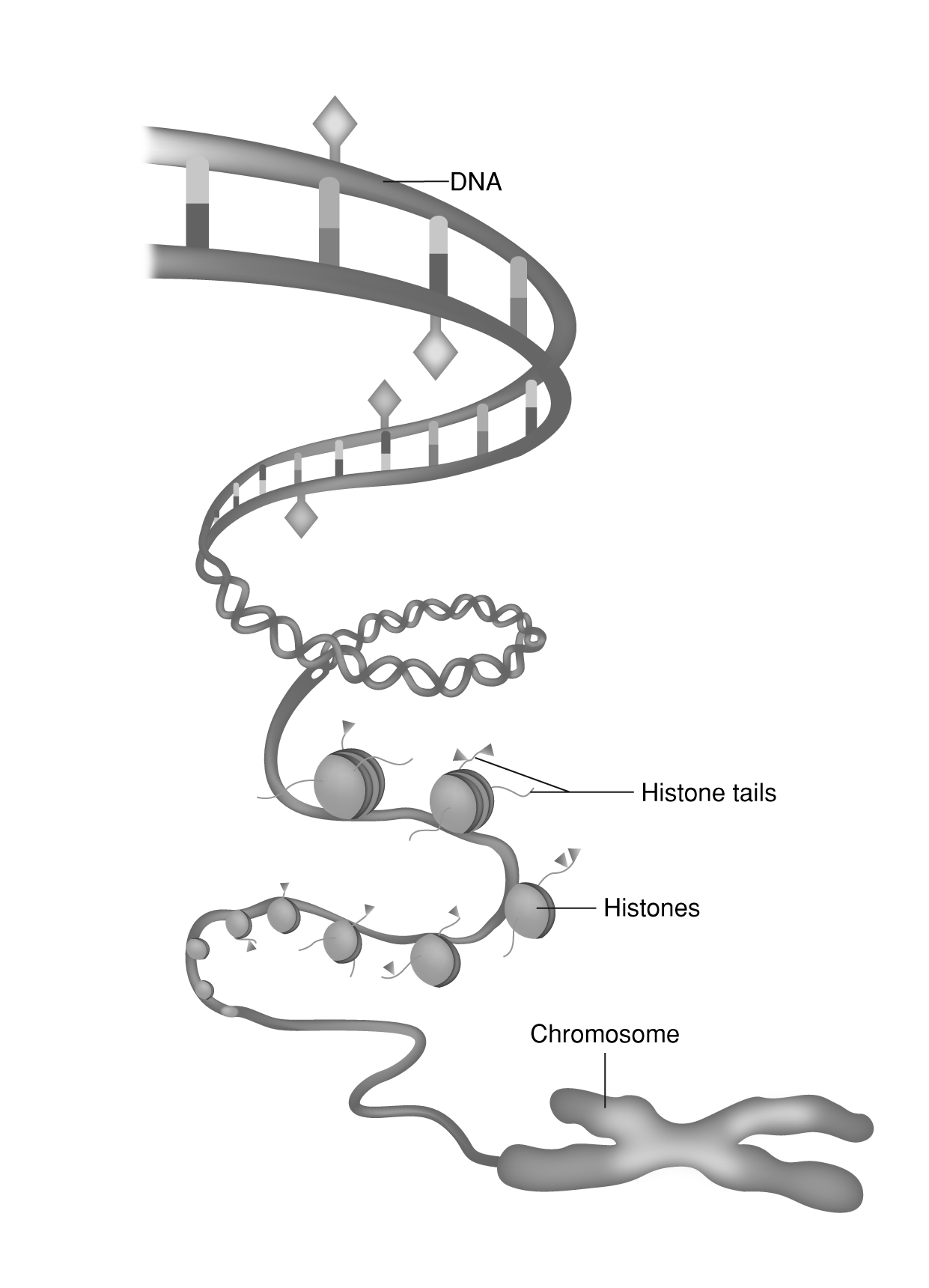
Image courtesy of the National Institutes of General Medical Sciences.166 Public domain.
dren.167 Interestingly, the package insert for Vidaza (5-azacitidine) cautions that men should be advised not to father a child while receiving the drug.168
Most mutations, as discussed in Chapter 1, involve changes in DNA that silence (tumor suppressor) or activate (oncogene) genes. However, epigenetics can help explain how the environment can influence gene expression. As discussed, epigenetics refers to the extra layer of instructions in the chromosome that influences which genes get turned off or silenced without altering DNA sequence. This silencing of genes without mutational changes in DNA (that occur during cell division or mitosis) is becoming more important and has been linked to the silencing of tumor suppressor genes in a number of malignancies. It can occur through DNA methylation and HDAC.169 These two exciting areas offer new targets, and already, there are FDA-approved drugs to approach these molecular flaws.
Whether the DNA is methylated or not influences gene transcription. DNA methylation means that a methyl group is added to part of the chemical structure (cytosine ring), and this methyl group sticks out into a major groove of the DNA helix so it inhibits or stops transcription of the gene located on that part of the DNA.170 This occurs mostly in what are called CpG-rich islands located near promoter regions of genes. At least 50% of the human genes, including housekeeping genes, have these CpG island-containing promoter regions, but they are generally unmethylated.171 Methylation of the CpG islands is brought about by DNMTs, and this occurs in or near promoter regions.2
Hypomethylation of areas that are normally methylated can lead to gene activation, such as the oncogene HRAS, while hypermethylation is linked to mutated mismatch DNA repair genes, such as MLH1.164 In addition, hypomethylation is linked to chromosomal instability, and in the case of the mutidrug resistance gene MDR1, which is often overexpressed, leads to drug resistance in acute myelogenous leukemia.164 Ehrlich describes the conundrum: Cancer-associated hypomethylation is as prevalent as cancer-linked hypermethylation, but they affect different DNA sequences.172 Hypomethylation occurs in the genome, except in the CpG islands region, which is hypermethylated. Hypomethylation appears in areas with frequent and moderately repeated DNA sequences, and Ehrlich suggests that hypomethylation plays an independent role in tumorigenesis and progression, more so than does hypermethylation. This raises the question of whether anticancer hypomethylating agents may improve the short-term control of cancer, but may later speed tumor progression for those cells that survive DNA-demethylating–targeted therapy.172
Hypermethylation occurs in myelodysplastic syndrome and acute leukemia, and the activity of two hypomethylating agents, 5-azacitidine and decitabine, has led to their FDA approval for treating MDS. These agents get into the DNA and trap methyltransferases (enzymes that help put the methyl into the DNA) on the DNA strand so that there can be no further methylation when the cell goes to divide again. However, they do not remove methyl groups from existing genes. As expected, unlike chemotherapy, which kills or stops the growth of cancer cells right away, hypomethylating agents probably require prolonged therapy to achieve optimal efficacy. The major class of hypomethylating drugs is called DNA methyltransferase inhibitors (DNMTIs).3 Another example of an FDAapproved agent is decitabine, which is FDA approved for MDS as well. Investigational agents being studied include zebularine, which is an oral agent, procainamide, procaine, and others.3
Histone Deacetylase Inhibitors
Another exciting group of agents being explored is the HDAC inhibitor class. The chromosomal DNA is wrapped around histones. The histones determine how
tightly the chromatin or DNA is wrapped: If it is tightly wrapped, the gene is turned off or silenced; if it is loosely wrapped, the gene is turned on. Normally, HDACs complex with cell regulatory proteins to regulate gene transcription (i.e., copying the recipe for that gene's protein onto mRNA to be taken outside of the nucleus to the protein synthesis factory, or ribosome) and are key components of cell proliferation, angiogenesis, apoptosis, and cell differentiation. If genes need to be turned on, an acetyl group is added to the histones (acetylation), which loosens the DNA helix so it can be unwound, thus expressing the gene. In contrast, histone deacetylators remove the acetyl groups from proteins such as histones and transcription factors, causing the chromatin to be tightly wrapped and shutting off the genes. Addition of acetyl groups is controlled by HATs, and removal is controlled by HDACs.3
Some cancer cells have overexpression of HDACs, or they recruit extra HDACs to oncogene transcription factors, causing hypoacetylation, tightening of the chromatin structure, and gene silencing. HDAC inhibitors cause hyperacetylation, which decreases expression of oncogenes such as BCR-Abl and HER2, stops the cell cycle, induces apoptosis, and stops angiogenesis and cell motility.173 HDAC inhibitors are intended to help malignant cells become normal again, as they target and accumulate in malignant cells. One example is vorinostat (Zolinza), recently FDA approved for the treatment of progressive or recurrent symptoms of cutaneous T-cell lymphoma (CTCL). Investigational HDAC inhibitors include phenylbutyrate (Buphenyl), which is being studied in phase II trials of patients with cancers of the brain, colon, rectum, and leukemia, as well as valproic acid (Depakote) and belinostat (PXD101), which are being studied in similar phase II trials.3
Drug: 5-azacitidine (Vidaza)
Indications: 5-azacitidine is indicated for the treatment of patients with MDS of the following subtypes:
- Refractory anemia
- Refractory anemia with ringed sideroblasts (if accompanied by neutropenia or thrombocytopenia or requiring transfusions)
- Refractory anemia with excess blasts
- Refractory anemia with excess blasts in transformation
- Chronic myelomonocytic leukemia (CMMoL)
Class: Pyrimidine nucleoside analog of cytidine. Classified as a nucleoside metabolic inhibitor. Demethylating or hypomethylating agent, with pyrimidine antimetabolic activity.
Mechanism of Action: Azacitidine causes hypomethylation of DNA, which may restore normal gene function to genes responsible for cell division and differentiation of the bone marrow. It also causes direct cytotoxicity on abnormal
hematopoietic cells in the bone marrow. Cells that divide frequently are killed, while nonproliferating cells are relatively unharmed, as they are insensitive to azacitidine. Its cytotoxic effect is mediated by interference with nucleic acid metabolism by acting as a false metabolite when incorporated into DNA and RNA; cell cycle phase specific for S phase.
Pharmacokinetics: Rapidly absorbed following SQ administration, with peak plasma level in 30 minutes. Bioavailability of SQ administered drug is 89% of IV dose. Of the total administered dose, 85% is excreted in the urine and < 1% in feces. Mean elimination half-life is about 4 hours in both SQ- and IV-administered drug.
Dosage and Administration:
- Premedicate with antiemetic. 75 mg/m2 SQ injection (or IV) daily for 7 days, repeated every 4 weeks for at least 4–6 cycles. Complete or partial responses may take longer to achieve.
- Dose may be increased to 100 mg/m2 after 2 cycles if initial dose ineffective and toxicity manageable (i.e., no toxicity except nausea and vomiting).
- Decrease or hold dose if significant bone marrow depression. If baseline WBCs > 3000/mm3, ANC > 1500/mm3, and platelets > 75,000/mm3, modify dose based on nadir counts.
- If baseline WBC < 3000/mm3, ANC < 1500/mm3, or platelets < 75,000/mm3, dose modifications and bone marrow biopsy cellularity at time of nadir used, unless there is clear improvement in differentiation (% mature granulocytes is higher with ANC higher than at onset of treatment); see package insert.
- Dose modification based on renal function and serum electrolytes:
- If unexplained decreases in serum bicarbonate < 20 mEq/L, dose reduce 50% in next cycle.
- If elevations of BUN or serum creatinine occur, delay next dose until values return to normal or baseline, and reduce dose by 50% in next cycle.
Available as: Lyophilized powder in 100-mg single-use vials
Reconstitution and Preparation:
- Drug is a lyophilized powder in 100-mg single-use vials.
- For SQ administration: Reconstitute aseptically with 4 mL sterile water for injection, adding diluent slowly into the vial.
- Invert vial 2–3 times and gently rotate, yielding a cloudy suspension containing 25 mg/mL.
- For SQ administration, divide doses greater than 4 mL into two syringes and administer within 1 hour of reconstitution at room temperature.
- Reconstituted solution may be kept in the vial or drawn in a syringe(s) and refrigerated at 2–8°C (36–46°F) immediately for later use for up to 8 hours. After removal from the refrigerator, the suspension may be allowed to equilibrate to room temperature for up to 30 minutes prior to administration.
- For SQ administration: Resuspend contents of syringe by vigorously rolling syringe between palms until a uniform, cloudy suspension appears. Rotate sites for each injection if two syringes are needed (doses greater than 4 mL). Give injection at least 1 inch from an old site and never into areas that are bruised, tender, red, or hard.
- For IV administration: Reconstitute required vials to deliver ordered dose using 10 mL sterile water for injection; vigorously shake or roll vial until dissolved and solution is clear. The resulting concentration is 10 mg/mL. Withdraw ordered amount and inject into a 50–100 mL infusion bag of either 0.9% sodium chloride or lactated Ringer injection. Drug is incompatible with 5% dextrose solutions, Hespan, and solutions containing bicarbonate.
- Administer IV over 10–40 minutes but within 1 hour of reconstitution of the vial.
- Use PPE when handling drug.
Drug Interactions: Incompatible with 5% dextrose-containing solutions, Hespan, bicarbonate-containing solutions
Contraindications:
- Patients with advanced malignant hepatic tumors
- Patients with hypersensitivity to azacitidine or mannitol
Warnings:
- Anemia, neutropenia, and thrombocytopenia can occur. Perform CBCs prior to each treatment cycle and as needed to monitor response and toxicity.
- Hepatotoxicity: Use cautiously in patients with severe preexisting liver impairment, as patients with extensive liver metastases have experienced coma and death, especially in patients with serum albumin < 30g/L.
- Renal abnormalities may occur; monitor patients with renal impairment for toxicity, as azacitidine and its metabolites are primarily excreted by the kidneys.
- Monitor liver chemistries and serum creatinine prior to starting therapy and before each cycle. In patients receiving drug in combination with chemotherapy, renal tubular acidosis (serum bicarbonate < 20 mEq/L) together with an alkaline urine and hypokalemia (K < 3 mEq/L) occurred in patients receiving drug and etoposide for CML. If unexplained serum bicarbonate < 20 mEq/L or elevated BUN or serum creatinine occur, dose should be reduced or held. Monitor patients with renal impairment closely, as drug is excreted by the kidneys.
- Women of childbearing potential should avoid pregnancy and use effective contraception, as drug is fetotoxic.
- Men should not reproduce while receiving the drug.
- Mothers should not nurse while receiving the drug.
- Monitor renal function closely in elderly patients, as they are more likely to have decreased renal function.
- Baseline and prior to each treatment: Monitor CBC with platelets and differential; BUN, creatinine, LFTs. Monitor nadir counts following cycle 1 to dose cycle 2. Monitor counts weekly if blood counts do not recover by day 28 of the cycle.
note:Adverse Reactions (bold indicates most common, occurring in > 25% of patients):
Cardiovascular: Hypotension, hypertension, peripheral edema
Pulmonary: Nasopharyngitis, pneumonia, URI, dyspnea, rhinitis
CNS/neurologic: Dizziness, headache, anxiety, insomnia, confusion, depression
Dermatologic:Ecchymosis, petechiae, dry skin, rash, urticaria, skin nodule
Metabolic: Hypokalemia
GI:Nausea, vomiting, diarrhea, constipation, abdominal tenderness, mouth hemorrhage, stomatitis, anorexia
Hematologic:Anemia, neutropenia, thrombocytopenia, leucopenia, febrile neutropenia
Musculoskeletal: Arthralgia, chest wall pain, myalgia
Renal: Hematuria, urinary tract infection, rare renal failure
General:Pyrexia, injection site erythema, rigors, weakness, injection site reactions (bruising, granuloma, pain, pigmentation changes, itching, swelling), lethargy, malaise, rare anaphylaxis
Nursing Discussion:
Bone marrow suppression and risk of infection: Leukopenia is dose-limiting, with nadir occurring days 14–17 after drug administration; it lasts 2 weeks, with recovery 14 days later. Thrombocytopenia and anemia also occur. Bone marrow depression lessens once patient has a response to therapy. Monitor CBC, neutrophil, and platelet count prior to drug administration and at nadir; assess for signs/symptoms of infection, bleeding, and anemia. Teach patient/family
signs/symptoms of infection, bleeding, and anemia, and instruct to report them to nurse or physician immediately. Teach patient to avoid aspirin-containing OTC medications.
Potential alteration in nutrition, as nausea, vomiting, diarrhea, and constipation may occur: Nausea and vomiting are dose-related and occur in about 70.5% and 54.1% of patients, respectively, beginning 1–3 hours postchemotherapy. Symptoms tend to be worse in the first 1–2 cycles and increase in incidence with increasing doses. Diarrhea develops in 36.4% of patients, with incidence increasing as dose increases. Constipation occurs in about 33% of patients and is worse during the first 2 cycles of therapy. Anorexia affects 20% of patients, and stomatitis occurs in 7% of patients. Assess nutritional status baseline and periodically at visits. Premedicate with antiemetics before injection, and teach patient self-administration of antiemetics at home; encourage small, frequent feedings as tolerated; if severe vomiting occurs, treat with alternative antiemetics and assess for signs/symptoms of fluid and electrolyte imbalance. Monitor serum potassium, as hypokalemia may be a side effect of treatment. Assess baseline bowel elimination status. Instruct patient to report onset of diarrhea and administer antidiarrheals as ordered. If diarrhea is protracted, ensure adequate hydration, monitor total body fluid balance, and teach/reinforce perineal hygiene. Instruct patient to monitor for constipation and to use measures to prevent constipation if that is a problem. If patient has anorexia, teach patient to identify nutrient-dense foods and to eat small frequent meals, including a bedtime snack. Teach patient strategies to increase appetite, depending upon an individualized assessment. Teach patient to self-assess oral mucosa and to use a systematic cleansing of teeth/mouth after meals and at bedtime. Monitor LFTs periodically during therapy, and discuss abnormalities with physician.
Potential alteration in comfort related to skin (injection site) reaction, fever, fatigue, arthralgias, and myalgias: Fever occurs in 54% of patients, with rigors affecting about 25%; other reactions include fatigue (36%), arthralgias (22%), injection site erythema (35%), injection site pain (23%), injection site bruising (14%), and injection site reaction (14%). Injection site discomfort was more pronounced during the first and second cycles of therapy. If patient prefers, change to IV administration. Monitor temperature and teach patient to self-assess temperature. Teach patient that pyrexia may occur and how to self-administer antipyretics. Teach patient to notify nurse/physician if rigors occur and are severe. Teach measures to reduce discomfort related to myalgias if they occur, such as application of heat and NSAIDs. Teach patient strategies to conserve energy, such as alternating activity with rest. Teach patient to rotate sites used for injection and local measures to increase comfort.
Drug: Decitabine (Dacogen)
Indications: Decitabine is indicated for the treatment of patients with MDS, including previously treated, untreated, as well as secondary MDS or all French-American-British subtypes, and CMMoL.
Class: Pyrimidine antimetabolite, hypomethylating agent
Mechanism of Action: Drug is a pyrimidine analogue and prevents DNA synthesis in the S phase, leading to cell death. Drug is incorporated into DNA and inhibits DNMT, causing hypomethylation and cellular differentiation or apoptosis. Methyltransferase is an enzyme necessary for the expression of cellular genes. The cells in tumors that have progressed or that are resistant to therapy characteristically have DNA hypermethylation. Decitabine “traps” DNMT, thus greatly reducing its activity, which results in the synthesis of DNA that is hypomethylated. DNA hypomethylation activates genes that have been silent, causing the cell to differentiate and then to die (i.e., cell death through disorganized gene expression or extinction of clones of cells that were terminally differentiated). Research has shown that the drug modulates tumor suppressor genes, the expression of tumor antigens, other genes, and overall cell differentiation.
Pharmacokinetics: Biphasic distribution, with mean terminal phase elimination half-life of 0.5 ± 0.31 hours. Drug is not plasma-bound to serum proteins. Metabolism is not fully characterized but appears to involve deamination in the liver, granulocytes, intestinal epithelium, and whole blood. Metabolism does not appear to involve the P450 microenzyme system.
Dosage and Administration: First treatment cycle: 15 mg/m2 IV continuous infusion over 3 hours, re- • peated every 8 hours for 3 days. Premedicate with antiemetic therapy.
- Subsequent treatment cycles: Repeat initial cycle every 6 weeks for a minimum of 4 cycles (a complete or partial remission may take more than 4 cycles). Dose modifications: Delay next cycle until ANC
 1000/μL and platelets 50,000/μL, and dose reduce as follows:
- Recovery requiring more than 6 but fewer than 8 weeks, delay drug up to 2 weeks and then temporarily reduce dose to 11 mg/m2 every 8 hours (33/m2 per day, 99 mg/m2 per cycle) upon restarting therapy.
- Recovery requiring more than 8 but fewer than 10 weeks, assess bone marrow aspirate for disease progression; if no progression, delay dose up to 2 more weeks and reduce dose to 11 mg/m2 every 8 hours (33 mg/m2 per day, 99 mg/m2 per cycle) upon restarting therapy; maintain or dose increase in subsequent cycles as clinically indicated.
- If any of the nonhematologic toxicities are present, do not restart until toxicity has resolved: serum creatinine 2 mg/dL, serum glutamic pyruvic transaminase 2 times ULN; total bilirubin > 2 times ULN; active or uncontrolled infection
Available as: Sterile lyophilized white to almost white powder in a single-dose vial containing 50 mg of decitabine. Store vials at 25°C (77°F) with excursions up to 15–30°C (59–86°F) permitted.
Reconstitution and Preparation: Aseptically add 10 mL sterile water for injection (USP); upon reconstitution, each mL contains approximately 5.0 mg of decitabine at pH 6.7–7.3. Immediately after reconstitution, further dilute with 0.9% sodium chloride injection, 5% dextrose injection, or lactated Ringer injection to a final drug concentration of 0.1–1.0 mg/mL. Use within 15 minutes of reconstitution, or must use cold infusion fluids (2–8°C) to further dilute the drug, then store at 2–8°C (36–46°F) for up to a maximum of 7 hours until administration.
Drug Interactions: None known, but not formally studied
Contraindications: Patients hypersensitive to decitabine
Warnings:
- Drug is potentially fetotoxic, so women of childbearing age should avoid pregnancy by using effective contraception.
- Men should not reproduce while receiving decitabine and for 2 months following drug discontinuation.
- Decitabine causes neutropenia and thrombocytopenia. CBCs, differential, and platelets should be monitored baseline and before each cycle. Early institution of growth factors and/or antimicrobial agents may be needed to prevent infection in patients with MDS.
- Drug was not studied in patients with renal dysfunction (serum creatinine > 2.0 mg/dL), liver transaminases more than double normal, or serum bilirubin > 1.5 mg/dL.
- Baseline CBC, differential, platelets, serum creatinine, electrolytes, and LFTs should be performed, and at a minimum, CBC/differential and platelets should be assessed prior to each cycle; because hyperglycemia, hypomagnesemia, hypokalemia or hyperkalemia, and hyponatremia can occur, serum glucose and electrolytes should be monitored.
note:Adverse Reactions (bold indicates most common, occurring in > 25% of patients):
Cardiovascular:Peripheral edema, chest discomfort, chest pain, pulmonary edema, hypotension, rare MI, CHF
Pulmonary:Cough, pneumonia, pharyngitis, hypoxia, postnasal drip, sinusitis
CNS/neurologic:Headache, insomnia, dizziness, confusion, lethargy, hypoesthesia, anxiety, malaise, blurred vision, rare intracranial hemorrhage
Dermatologic: Pallor, rash, erythema, cellulitis, itching, alopecia, urticaria, facial swelling, injection site reactions, swelling
Metabolic:Hyperglycemia, hypoalbuminemia, hypomagnesemia, hypokalemia, hyponatremia, hyperkalemia, dehydration
GI:Nausea, vomiting, constipation, diarrhea, abdominal pain, stomatitis, dyspepsia, ascites, gingival bleeding, hemorrhoids, tongue or lip ulceration, dysphagia, abdominal distention, gastroesophageal reflux disease, glossodynia, anorexia
Hematologic:Neutropenia, thrombocytopenia, anemia, febrile neutropenia, leukopenia, lymphadenopathy, thrombocythemia, candidiasis infection, catheter infection, bacteremia, petechiae
Musculoskeletal: Arthralgias, limb pain, back pain, tenderness, pain, myalgia
Renal: Increased BUN, urinary tract infection, rare renal failure
General: Rare anaphylaxis, rigors
Nursing Discussion:
Bone marrow suppression and risk of infection: Dose-limiting factor is bone marrow suppression. In MDS studies, the incidence of neutropenia was 90%, with 29% of patients developing febrile neutropenia. Thrombocytopenia occurred in 89% of patients. Drug is extensively metabolized in the liver and partially excreted by the kidneys. Anemia occurs in 82% of patients. Assess baseline CBC and differential; assess platelet count and renal and hepatic function tests prior to initial and subsequent cycles of chemotherapy. Drug should be held if ANC < 1000/μL, platelets < 50,000/μL, BR > 2.0 times ULN, AST > 2 times ULN, creatinine > 2.0 mg/dL (see Dosage and Administration). Assess for signs/symptoms of infection, bleeding, and fatigue. Teach patient signs/symptoms of infection or bleeding, to report these immediately, and to come to the emergency department or clinic if febrile or bleeding. Teach patient self-care measures to minimize risk of infection and bleeding. Measures include avoidance of crowds and proximity to people with infections, and avoidance of OTC aspirin-containing medications.
Potential alteration in nutrition, as nausea, vomiting, diarrhea, and constipation may occur: Nausea and vomiting may occur, are mild to moderate, and are preventable by antiemetic medicines. Nausea occurs in 42% of patients and vomiting in 25%. Stomatitis occurs in 12% of patients. Premedicate patient with antiemetic. If patient develops nausea and/or vomiting, encourage small, frequent intake of cool, bland foods. Instruct patient to report nausea, and teach self-administration of antiemetic medications. If nausea and vomiting occur and are severe, assess for signs/symptoms of fluid/electrolyte imbalance. Teach patient to self-administer antidiarrheal medications if needed. Assess baseline oral mucous membranes. Teach patient oral assessment, hygiene measures, and to report any alterations.
Potential alteration in comfort related to skin (injection site) reaction, fever, fatigue, arthralgias, and myalgias: Pyrexia affects 53% of patients, with rigors in 22% of patients. Peripheral edema affects 25%, arthralgias 20%, and pain 13%. Catheter site pain, erythema, and injection site swelling occur in 5% of patients. Assess comfort level and symptoms experienced at baseline and prior to each dose, then prior to each cycle. Teach patient to alternate rest and activity periods. Teach patient to report fevers > 100.5°F and rigors right away, and to come to the clinic or emergency department. Teach patient symptomatic management of pain. Assess catheter and injection sites to rule out infection and to manage comfort.
Drug: Vorinostat (Zolinza)
Indications: Treatment of patients with cutaneous manifestations of CTCL who have progressive, persistent, or recurrent disease on or following two systemic therapies.
Class: HDAC inhibitor
Mechanism of Action: Histones are proteins that give structure and support to the DNA helix and DNA coils around the histones. Some tumors have excess HDAC, which causes the DNA to stay tightly packed. Because the DNA cannot be transcribed, genes are not expressed and are thus silenced, including important tumor suppressor genes. Vorinostat inhibits the enzymatic activity of HDAC1, HDAC2, and HDAC3 (class I) and HDAC6 (class II). This results in increased histone acetylation and uncoiling of DNA so that the DNA is open; genes are expressed and can be transcribed for protein synthesis. These proteins are critical in normal cell-cycle regulation. The drug induces cell cycle arrest and apoptosis in some transformed cells; the mechanism of action of antineoplastic effect has not been fully characterized.
Pharmacokinetics: After oral ingestion, the drug becomes 71% protein bound. It is metabolized via glucuronidation and hydrolysis followed by beta-oxidation, resulting in two inactive metabolites. Drug is eliminated primarily through metabolism, with < 1% of drug recoverable in the urine. Food slightly increases the extent of absorption but slows the rate; in clinical trials, the drug was taken with food.
Dosage and Administration:
- 400 mg orally once daily with food
- Dose modify for thrombocytopenia and anemia
- If the patient is intolerant of therapy, dose may be reduced to 300 mg PO once daily with food. If needed, the dose can be further reduced to 300 mg PO with food for 5 consecutive days each week.
- Teach patient to swallow capsules whole, not to crush or open them.
Available as: 100-mg capsules. Drug is available from a restricted distribution program called ACT (Accessing Coverage Today). Application for the ACT program is available by calling 1-866-363-6379 or online at www.zolinza.com/vorinostat/zolinza/consumer/about/act-program.jsp. Once completed, the form must be faxed back to ACT at 1-866-363-6389 for approval. The drug prescription is filled through specialty pharmacies and delivered directly to the patient's preferred pharmacy. ACT will teach patients about the drug, verify prescription coverage, send refill reminders, and assist with obtaining financial assistance if needed. Drug is available free to patients who have an annual gross income at or below 500% of the federal poverty level.
Reconstitution and Preparation: None, drug is oral
- Teach patient not to open or crush capsules and to take as a single dose once daily with food.
- Teach patient to keep the medication out of reach of children or pets and to use gloves when handling the drug. Teach patient to wash hands before putting on gloves and after removing gloves.
- Teach patient to return any unused drug in the original container to the pharmacy or clinic where care is received.
Drug Interactions:
- Coumarin-derivative anticoagulants may cause prolongation of prothrombin time (PT) and INR; monitor PT and INR closely, and adjust dose accordingly.
- Drugs that prolong the QTc interval (e.g., atypical antipsychotics such as risperidone, fluoroquinolone antibiotics such as levofloxacin, procainamide) may increase risk of QT prolongation because drug increases risk; avoid concomitant administration.
- Insulin and hypoglycemic agents may require increased doses of glucoselowering agents because drug can cause hyperglycemia.
- Diuretics that cause potassium wasting may potentiate drug-induced hypokalemia; avoid concomitant administration.
- Valproic acid and other HDAC inhibitors may increase thrombocytopenia, with risk of GI bleeding; avoid concomitant use, or monitor platelet count closely if coadministered.
Contraindications: None
Warnings:
- Pulmonary embolism and deep vein thrombosis (DVT) have been reported. Monitor patient for pertinent signs and symptoms, especially if patient has a history of DVT. Teach patient to report right away any pain in the calf, difficulty breathing, or chest pain.
- Dose-related thrombocytopenia and anemia have occurred and may require dose modification or discontinuation.
- GI disturbances (e.g., nausea, vomiting, and diarrhea) may occur. Patients may require antiemetics, antidiarrheals, and fluid and electrolyte replacement (to prevent dehydration). Control preexisting nausea, vomiting, and diarrhea before beginning therapy with vorinostat.
- Hyperglycemia may occur. Adjustment of diet and/or therapy for increased glucose may be necessary. Monitor serum glucose closely in diabetic or prediabetic patients. Adjust diet and/or antidiabetic therapy based on increased glucose results.
- Qtc prolongation has been observed. Monitor electrolytes and ECGs at baseline and periodically during treatment. Normal QTc is 0.30–0.44 second (0.45 second for women). Grade 1 QTc prolongation is defined as > 0.45 second (450–470 msec), grade 2 > 0.47 second (470–500 milliseconds) or an increase of > 60 milliseconds above baseline, grade 3 is > 0.50 second (500 milliseconds). Use extreme caution when administering the drug to patients with a congenital long QT syndrome or patients taking antiarrhythmic medications that prolong the QTc interval. Correct hypokalemia and hypomagnesemia, as these may increase the risk of torsades de pointes, a crescendo ventricular tachycardia associated with sudden death (see dasatinib and nilotinib discussion). Assess patients who have diarrhea, nausea, or vomiting closely, and replete fluid and electrolytes as needed.
- Monitor blood cell counts and chemistry tests, including electrolytes (including potassium, magnesium, calcium), glucose, and serum creatinine, every 2 weeks during the first 2 months of therapy and monthly thereafter.
- Severe thrombocytopenia and GI bleeding have been reported with concomitant use of Zolinza and other HDAC inhibitors (e.g., valproic acid). Monitor platelet count.
- Drug has not been studied in patients with hepatic dysfunction. Because the drug is extensively metabolized in the liver, use caution in administering it to patients with hepatic dysfunction, and monitor closely. Similarly, although the drug is not excreted in the urine, the drug should be used cautiously in patients with renal dysfunction.
- Fetal harm can occur when drug is administered to a pregnant woman. Teach women of childbearing age to use effective contraception and avoid pregnancy.
- Monitor CBC and chemistry tests (electrolytes, glucose, serum creatinine, magnesium) every 2 weeks during first 2 months and monthly thereafter; assess ECG with QTc measurement baseline and periodically during treatment.
note:Adverse Reactions (bold indicates most common, occurring in > 25% of patients):
Cardiovascular: Peripheral edema, prolongation of QTc interval, pulmonary embolism, DVT; rare MI, ischemic stroke, syncope
Pulmonary: Cough, URI
CNS/neurologic: Dizziness, headache
Dermatologic: Alopecia, itching, rare exfoliative dermatitis
Metabolic:Hyperglycemia, hypokalemia
GI:Diarrhea, nausea, dysgeusia, anorexia, decreased weight, dry mouth, vomiting, constipation, GI hemorrhage
Hematologic:Thrombocytopenia, anemia, leucopenia, neutropenia, bacteremia
Musculoskeletal: Muscle spasms
Renal: Increased serum creatinine, proteinuria
General:Fatigue, chills, fever, rare secondary malignancy (squamous cell carcinoma, T-cell lymphoma)
Nursing Discussion:
Bone marrow suppression with thrombocytopenia: Thrombocytopenia occurs in 25.6% (grade 3 or 4 in 5.8%) of patients, and anemia in 14% (grade 3 or 4 in 2.3%). Monitor CBC and platelet count baseline and periodically during therapy. Assess for signs and symptoms of bleeding, fatigue, and anemia. Teach patient to self-assess for signs and symptoms of bleeding and anemia and to call if they occur. Assess patient medication profile and any OTC medications such as those containing aspirin or NSAIDs that would increase the risk of bleeding. Instruct patient to avoid these drugs and not to begin any OTC medications without first discussing with nurse or physician. Teach patient to alternate rest and activity periods if feeling fatigued and to organize shopping and chores in a way to minimize energy expenditures.
Potential alteration in nutrition, related to nausea, diarrhea, anorexia, dehydration, and hyperglycemia: In clinical trials, these side effects occurred with the following frequency: diarrhea 52%, nausea 41%, dysgeusia 28%, anorexia 24%, dry mouth 16%, vomiting 15%, and constipation 15%. Hyperglycemia occurred in 69% of patients who received the 400 mg daily dose. Transient decreases in serum creatinine occurred in 46.5% of patients, and proteinuria in 51% of patients. Assess weight, bowel elimination status, baseline nutritional status, renal status, and glucose level, and monitor during therapy. Teach patient that symptoms can occur and ways to minimize this effect, such as selfadministration of antinausea and antidiarrheal medications, and to report symptoms that do not resolve with established plan. Teach patient to identify nutri-
tionally dense (high calories and protein in the smallest amount) foods and to keep them handy in the refrigerator. Teach patient to eat small, frequent meals and to have a bedtime snack. Teach patient that goal is to take in at least 2 quarts of fluid a day and to try to drink a glass of fluid every hour while awake. Monitor patients at risk, such as the elderly, for dehydration closely. Teach patient signs and symptoms of hyperglycemia (i.e., excessive thirst, frequent urination) and to report these. Discuss any abnormalities with a physician.
Risk of QTc prolongation: The QTc interval is the period of ventricular repolarization in the heart. Prolongation of the QTc can increase the risk of developing torsades de pointes, an unusual variant of ventricular tachycardia that may result in sudden death, syncope, or seizures. Risk of developing this condition is also increased if the patient has hypomagnesemia and hypokalemia. Thus, the nurse should ensure that the patient's electrolytes are WNL and that any abnormalities are corrected before the patient begins vorinostat. In addition, a baseline ECG should be done and repeated periodically during therapy. If it is prolonged, it should be reassessed more frequently. Electrolytes should also be monitored closely and repleted as needed. Concomitant use of drugs that prolong the QTc should be avoided. The nurse should carefully review the patient's medication profile along with the physician, midlevel practitioner, or pharmacist to ensure that there are no other drugs that may prolong the QTc.