▶Kwashiorkor is a disorder characterized by insufficient protein intake in the setting of adequate caloric intake. The typical skin findings include a “flaky paint” rash and alopecia.
▶It usually is considered a disease of children residing in areas of famine. However, the disease has been reported in higher-income countries when children are fed protein-deficient diets or have malabsorption or failure to thrive owing to neglect. Some examples include the following:
■Infants fed rice milk by parents in an attempt to manage food allergies.
■Infants fed protein-deficient diets to treat underlying diseases (eg, nonketotic hyperglycemia, glutaricaciduria type I).
■Infants who have diseases characterized by malabsorption (eg, Crohn disease, cystic fibrosis).
■Infants fed diluted formula by caregivers in an attempt to make the formula last longer or intentionally limit calories.
■Infants fed inappropriately by their caregivers because of mental illness or unusual feeding practices or beliefs.
▶Systemic symptoms include fatigue, lethargy, and irritability. As protein deprivation continues, individuals exhibit growth failure, generalized edema, and a protuberant abdomen due to hepatomegaly (from fatty infiltration) or ascites.
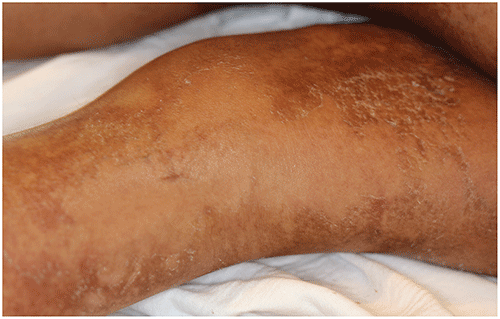
▶The diffuse rash of kwashiorkor is composed of well-defined erythematous patches with overlying scale; in patients with skin of color, lesions may appear hyperpigmented. The scale edges are elevated, an appearance similar to that of peeling paint chips (Figures 122.1–122.4). This finding has led to the term flaky paint dermatosis.
▶Other cutaneous variations include loss of skin pigment and thinning and diminished pigmentation of the hair.
Figure 122.1. Toddler Who Had Kwashiorkor and Zinc Deficiency. There are Well-Defined Erythematous Erosive Patches.
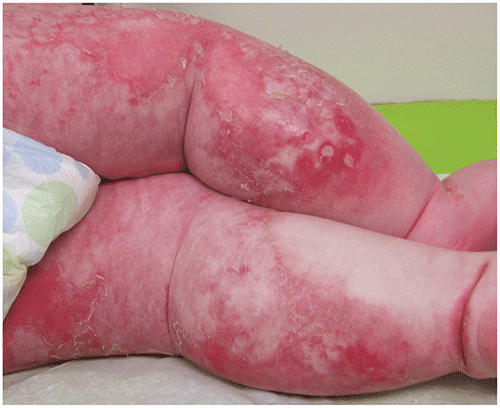
Figure 122.2. Sharply Marginated Patches with “flaky Paint” Scale (Ie, Scale with a Well-Defined Raised e.g.) are Present in the Same Patient as Shown in Figure 122.1.
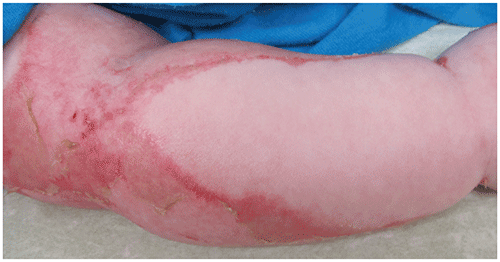
Figure 122.3. Scalp Involvement in Kwashiorkor with a Prominent “flaky Paint” Appearance (Ie, Scale with a Well-Defined Raised e.g.).
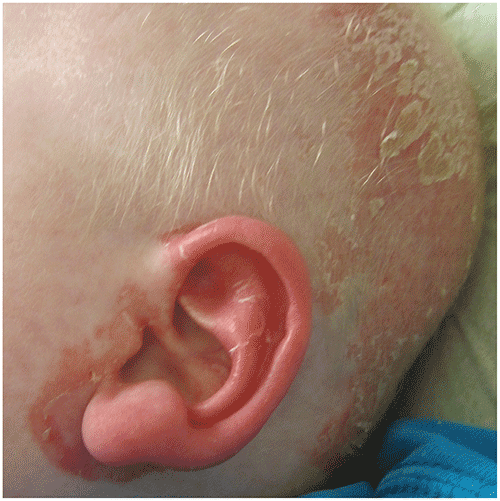
Figure 122.4. In Patients with Skin of Color, the Lesions of Kwashiorkor May Appear Hyperpigmented. However, the “flaky Paint” Appearance (Ie, Scale with a Well-Defined Raised e.g.) is Present.
Look-alikes
The presence of edema, hypoproteinemia, and hypoalbuminemia helps to differentiate kwashiorkor from other disorders that may produce a similar eruption, including those characterized by nutritional deficiency (eg, of essential fatty acids, vitamin B12, isoleucine, zinc, biotin).
| Disorder | Differentiating Features |
|---|
| Acrodermatitis enteropathica | It may be difficult to distinguish acrodermatitis enteropathica from kwashiorkor clinically, and the 2 entities may coexist. Periorificial and acral involvement common (unlike kwashiorkor). Edema, hypoproteinemia, hypoalbuminemia absent. Serum zinc concentration reduced.
|
| Atopic dermatitis | Edema, hypoproteinemia, hypoalbuminemia absent. “Flaky paint” appearance of scale absent. Characteristic distribution by age.
|
| Crusted impetigo | Distribution usually not as extensive as in kwashiorkor. Edema, hypoproteinemia, hypoalbuminemia absent. Flaky paint appearance of scale absent.
|
| Psoriasis | Edema, hypoproteinemia, hypoalbuminemia absent. Typical psoriatic lesions (ie, papules and plaques with thick adherent scale) usually present (scale does not have the flaky paint appearance), although diaper involvement may reveal minimal scaling. Preference for scalp, umbilicus, diaper region in infants.
|
| Seborrheic dermatitis | Edema, hypoproteinemia, hypoalbuminemia absent. Flaky paint appearance of scale absent (scale often characterized as greasy). Preference for scalp, umbilicus, diaper region in infants.
|
▶The diagnosis is suspected clinically based on the appearance of the rash and presence of edema.
▶The presence of hypoproteinemia and hypoalbuminemia supports the diagnosis.
▶Institution of a diet or parenteral nutrition containing appropriate amounts of protein is paramount. Depending on the underlying cause of protein deficiency, this may require consultation with colleagues in nutrition, gastroenterology, or other disciplines.
▶Investigation for coexisting nutritional deficiencies (eg, acrodermatitis enteropathica) may be appropriate.
▶Treatment early in the course of the disease is associated with excellent prognosis.
▶In severe cases, death may occur, caused by electrolyte disturbances or immunodeficiency resulting in infection.
▶If kwashiorkor is suspected, prompt laboratory evaluation and initiation of nutritional restitution are vital.
▶If abuse or neglect is suspected, a referral to child protective services should be made.