Author: Lauren C. Roby, MD
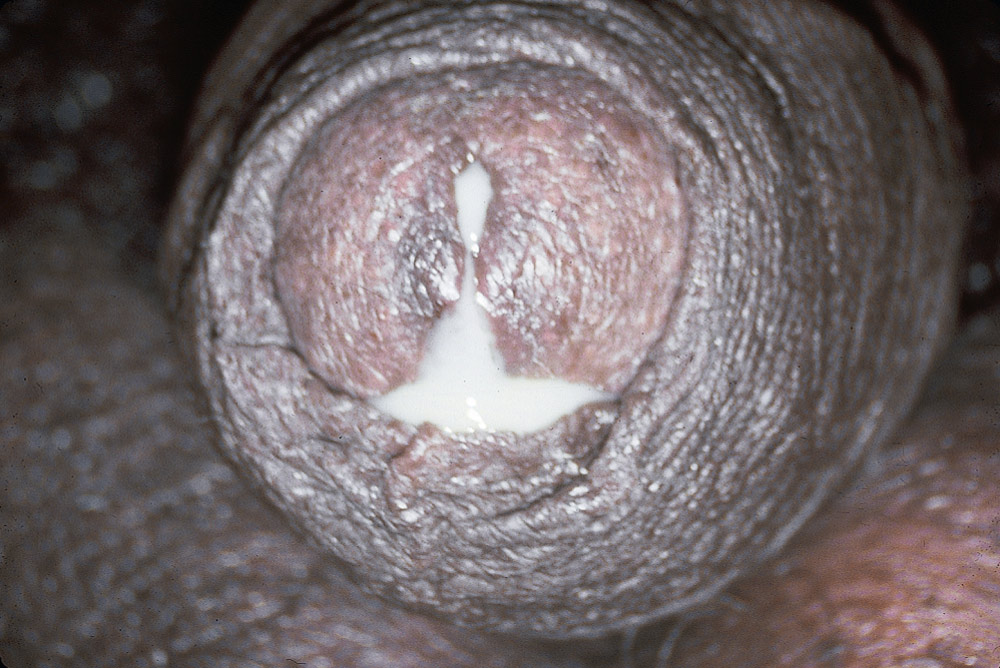
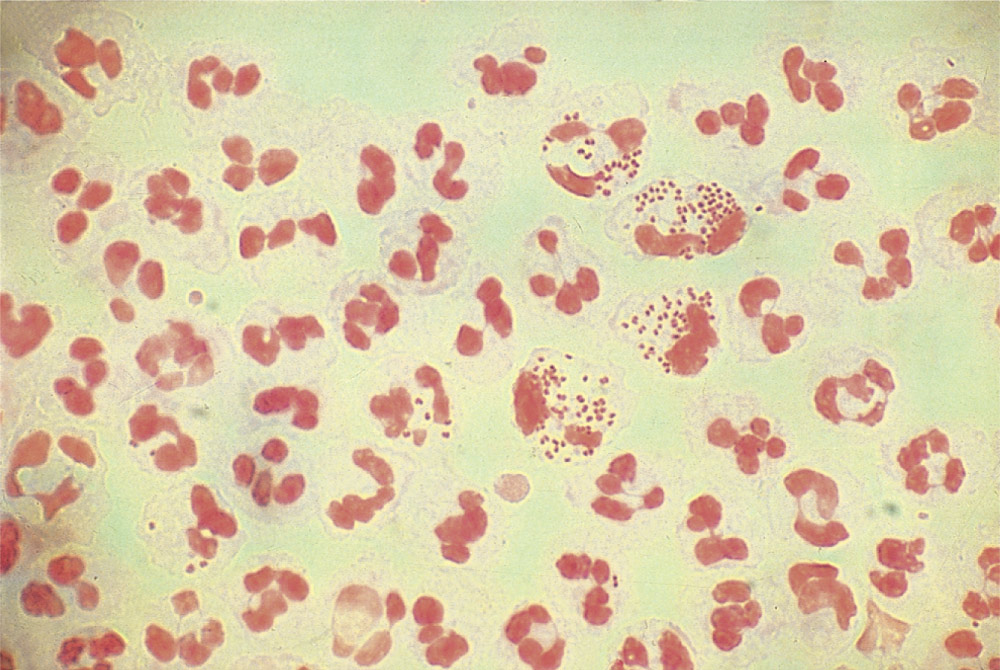
Urethritis is a well-defined clinical syndrome manifested by dysuria, a urethral discharge, or both.
Uncomplicated adults and adolescents with GCU:
TABLE 2 Recommended Treatment of Gonococcal Infections
| Age Group | Infection | Treatment Regimen | Length of Therapy |
| Neonates | Ophthalmia neonatorum | Ceftriaxone* 25-50 mg/kg IV or IM OR cefotaxime 100 mg/kg IV or IM | Once |
| Disseminated infection Scalp abscess Meningitis | Ceftriaxone 25-50 mg/kg IV or IM every day OR OR cefotaxime 25-50 mg/kg IV or IM q8-12h | 7 days | |
| Meningitis | Ceftriaxone 25-50 mg/kg IV or IM every day OR cefotaxime 25-50 mg/kg IV or IM q8-12h | 10-14 days | |
| Endocarditis | Minimum 28 days | ||
| Children ≤45 kg | Ceftriaxone 25-50 mg/kg IV or IM (max 500 mg) | Once | |
| Conjunctivitis | Ceftriaxone 50 mg/kg IM (max 1 g) plus consider lavage of infected eye with saline solution | Once | |
| Disseminated infection Septic arthritis | Ceftriaxone 50 mg/kg IV or IM every day (max 1 g daily) | 7 days | |
| Meningitis | Ceftriaxone 50 mg/kg IV or IM q12-24h (max 4 g daily) | 10-14 days | |
| Endocarditis | Ceftriaxone 50 mg/kg IV or IM q12-24h (max 4 g daily) | Minimum 28 days | |
| Adults, adolescents, and children >45 kg | Ceftriaxone 500 mg IM (or 1 g IM for persons ≥150 kg) | Once | |
| Conjunctivitis | Ceftriaxone 1 g IM plus consider lavage of infected eye with saline solution | Once | |
| Disseminated infection Septic arthritis | Ceftriaxone 1 g IV or IM every day | 7 days | |
| Meningitis | Ceftriaxone 1-2 g IV q12-24h | 10-14 days | |
| Endocarditis | Ceftriaxone 1-2 g IV q12-24h | Minimum 28 days |
IM, Intramuscularly; IV, intravenously; max, maximum; PO, orally.
* Ceftriaxone should be administered cautiously to neonates with hyperbilirubinemia, especially those born prematurely. Cefotaxime can be administered for those neonates unable to receive ceftriaxone because of simultaneous administration of IV calcium. Consult neonatal dosing references.
Dose or dosing frequency changes after postnatal age >7 days of life: consult neonatal dosing references.
From Wangu Z, Hsu KK: Neisseria gonorrhoeae. In Long SS et al (eds): Principles and practice of pediatric infectious diseases, ed 6, Philadelphia, 2023, Elsevier, Table 126.1.
Alternative regimens if ceftriaxone is not available:
Regimen for infants and children weighing ≤45 kg:
It is imperative to appropriately counsel patients on the avoidance of intercourse or use of barrier protection until a cure has been obtained and sexual partners have been evaluated. Once treated, patients should be advised to abstain from sex for 7 days.
In cases of suspected cephalosporin treatment failure, clinicians should obtain relevant clinical specimens for culture and antimicrobial susceptibility testing, consult an infectious disease specialist or STD clinical expert (https://www.stdccn.org/) for guidance in clinical management, and report the case to the Centers for Disease Control and Prevention (CDC) through state and local public health authorities within 24 h. Health departments should prioritize notification and culture evaluation for the patients sex partner(s) from the preceding 60 days for those with suspected cephalosporin treatment failure or persons whose gonococcal isolates demonstrate reduced susceptibility to cephalosporins.
A test of cure (repeat testing 1 to 3 wk after initial treatment) is unnecessary for persons with uncomplicated GCU treated with any of the recommended or alternative regimens. However, for persons with pharyngeal gonorrhea, a test of cure is recommended, using culture or NAATs 7 to 14 days after initial treatment, regardless of the treatment regimen.
Alternatively, repeat testing 3 mo after treatment is recommended for all persons diagnosed with GCU, regardless of treatment, because reinfections rates are so high: Reinfection within 12 mo ranges from 7% to 12% among persons previously treated for gonorrhea. If retesting at 3 mo is not possible, clinicians should retest within 12 mo after initial treatment.