section name header

Basic Information ⬇

Author: Anthony Sciscione, DO and Ella Stern, MD

Definition

Gonorrhea is a sexually transmitted bacterial infection with a predilection for columnar and transitional epithelial cells. It commonly manifests as urethritis, cervicitis, or salpingitis. Infection may be asymptomatic. It differs between males and females in course, severity, and ease of recognition.

Synonyms

  • Gonococcal urethritis
  • Gonococcal vulvovaginitis
  • Gonococcal cervicitis
  • Gonococcal bartholinitis
  • GC
ICD-10CM CODES
A54.9Gonococcal infection, unspecified
O98.211Gonorrhea complicating pregnancy, first trimester
O98.212Gonorrhea complicating pregnancy, second trimester
O98.213Gonorrhea complicating pregnancy, third trimester
O98.219Gonorrhea complicating pregnancy, unspecified trimester
O98.22Gonorrhea complicating childbirth
O98.23Gonorrhea complicating the puerperium
A54.03Gonococcal cervicitis, unspecified
A54.00Gonococcal infection of lower genitourinary tract, unspecified
Epidemiology & Demographics

  • •The disease is common worldwide, affects both sexes and all ages, especially younger adults; highest incidence is in inner-city areas. Per Centers for Disease Control and Prevention (CDC) reports, approximately 1.6 million new cases were found in the U.S. in 2018, with more than half found in young people ages 15 to 24 yr. Gonorrhea is the second most-commonly reported communicable disease.
  • •Asymptomatic anterior urethral carriage may occur in 12% to 50% of cases in men.
  • •Asymptomatic in 50% to 80% of cases in women. Most common dissemination is by mucosal passage to fallopian tubes, resulting in pelvic inflammatory disease (PID) in 10% to 15% of infected women. Hematogenous spread may result in septic arthritis and skin lesions. Conjunctivitis rarely occurs but may result in blindness if not rapidly treated. Infection can occur in both men and women in oropharynx and anorectally.
  • •The World Health Organization (WHO) reported 78 million new cases of gonorrhea worldwide among adults in 2012.
Physical Findings & Clinical Presentation

  • •Males: Purulent discharge from anterior urethra (Fig. E1), with dysuria appearing 2 to 7 days after infecting exposure. May have rectal infection causing pruritus, tenesmus, and discharge, or may be asymptomatic.
  • •Females: Initial urethritis or cervicitis may occur a few days after exposure, frequently mild. Infections may be asymptomatic or may not produce recognizable symptoms until complications have occurred. In approximately 20% of cases, uterine invasion occurs after menstrual period with signs and symptoms of endometritis, salpingitis, or pelvic peritonitis. The patient may have purulent discharge or inflamed Skene or Bartholin glands.
  • •Classic presentation of acute gonococcal PID is fever, abdominal and adnexal tenderness, and, often, absence of purulent discharge. Physical examination may be normal if asymptomatic. Disseminated gonococcal infection (DGI) may manifest with petechial or pustular acral skin lesions (Fig. E2), asymmetric polyarthralgia, tenosynovitis, or oligoarticular septic arthritis. The infection is occasionally complicated by perihepatitis and, rarely, endocarditis or meningitis.
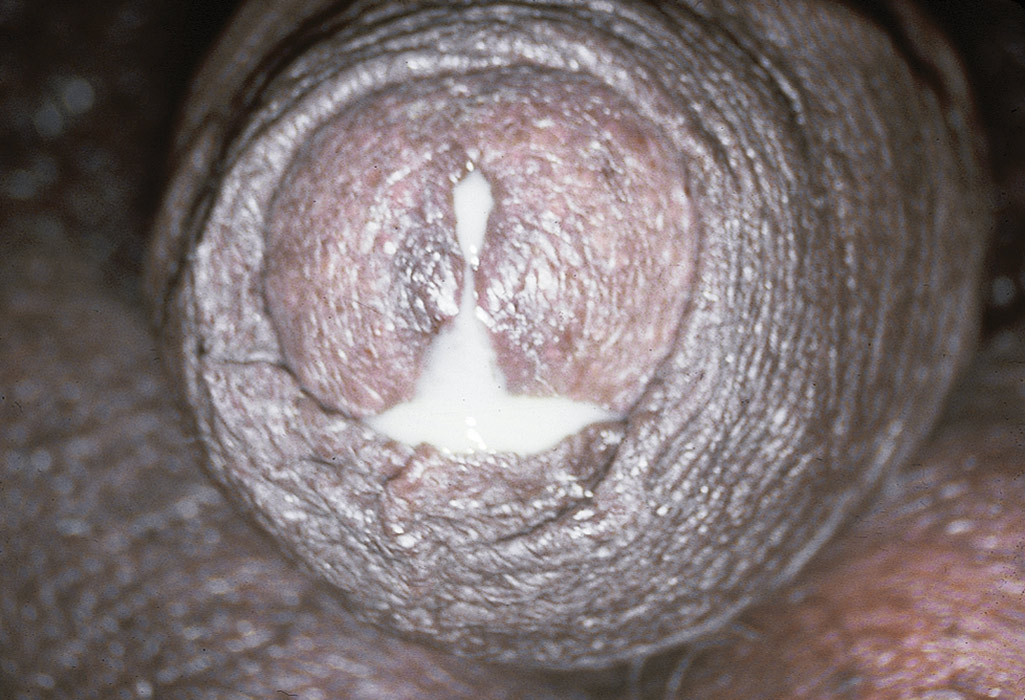
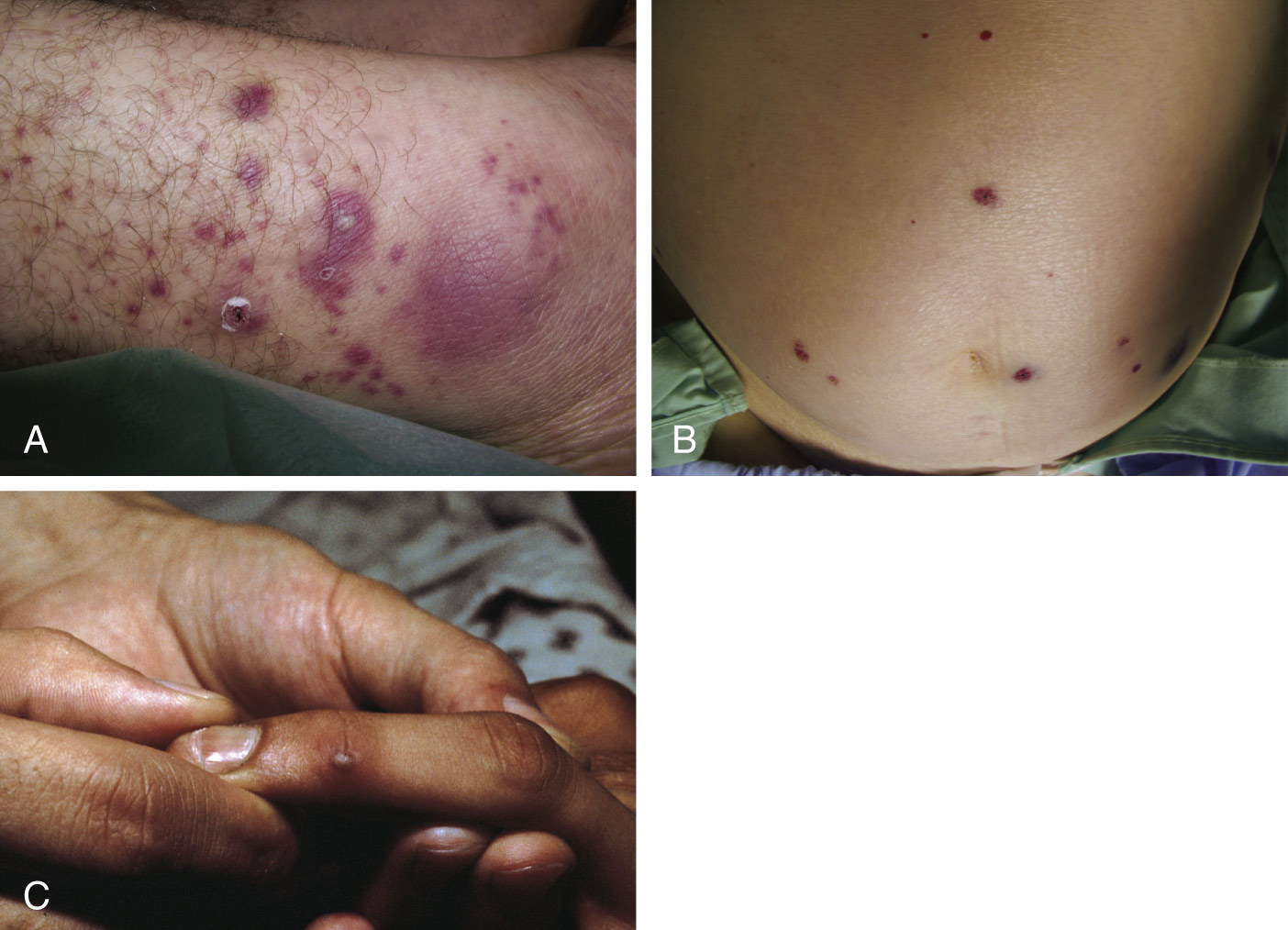
Figure E1 Purulent urethral discharge from a man with gonococcal urethritis.

(From Bennett JE et al: Mandell, Douglas, and Bennett’s principles and practice of infectious diseases, ed 9, Philadelphia, 2020, Elsevier.)

Figure E2 Disseminated gonococcal infection: Skin lesions.

A, Macules, papules, and pustules over an ankle. B, Hemorrhagic papules localized in trunk. C, Hemorrhagic vessel over a distal interphalangeal joint.

(Courtesy Dr. Peter Schlessinger.)

Etiology

  • •Neisseria gonorrhoeae is also known as gonococcus. Plasmids coding for β-lactamase render some strains resistant to penicillin or tetracycline. There is an increasing frequency of chromosomally mediated resistance to penicillin, tetracycline, fluoroquinolones, and cefoxitin. In the Far East, high-level resistance to spectinomycin is endemic.
  • •There are a rising number of cases of quinolone-resistant N. gonorrhoeae worldwide, with the expected number to rise in the U.S. from importation.
  • •Men who have sex with men are vulnerable to the emerging threat of antimicrobial-resistant N. gonorrhoeae.

Diagnosis ⬆ ⬇

Differential Diagnosis

  • •Nongonococcal urethritis (NGU)
  • •Nongonococcal mucopurulent cervicitis
  • •Chlamydia trachomatis
  • •Trichomonas vaginalis
Workup

Diagnosis depends on bacteriologic investigation. Culture and nucleic acid amplification tests (NAAT) are available for the detection of genitourinary infection with N. gonorrhoeae.

  • •NAATs are preferred testing modalities for the detection of genitourinary infection with N. gonorrhoeae. The performance of NAATs with respect to overall sensitivity, specificity, and ease of specimen transport is better than that of any other tests available for the diagnosis of gonococcal infections. NAATs should be used to detect gonorrhea except in cases of child sexual assault involving boys and rectal and oropharyngeal infections in prepubescent girls. When evaluating a potential gonorrhea treatment failure, case culture and susceptibility testing might be required. NAATs allow testing of the widest variety of specimen types, including endocervical swabs, vaginal swabs, urethral swabs (men), and urine (from both men and women).
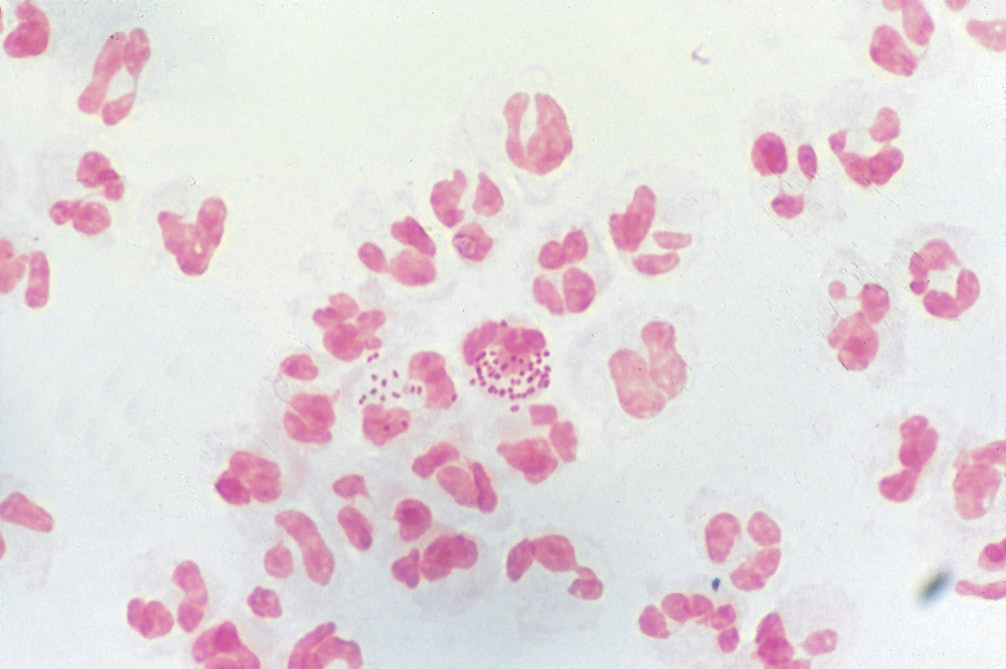
  • •Culture: Gonorrhea culture on Thayer-Martin medium (organism is fastidious; requires aerobic conditions with increased carbon dioxide atmosphere; incubate ASAP). Culture has a sensitivity of 95% or more for urethral specimens from men with symptomatic urethritis and 80% to 90% for endocervical infection in women. Gram-negative intracellular diplococci are diagnostic in male urethral smears (Fig. E3). There is a false-negative rate of 60% to 70% in female cervical or urethral smears.
    1. 1.Concomitant serologic testing for syphilis for all patients
    2. 2.Concomitant Chlamydia testing for all patients
    3. 3.Offer of HIV testing and counseling to all patients

Figure E3 Gram-Stained Smear of Urethral Exudates Showing Intracellular Gram-Negative Diplococci that are Characteristic of Gonorrhea

(From Bennett JE et al: Mandell, Douglas, and Bennett’s principles and practice of infectious diseases, ed 9, Philadelphia, 2020, Elsevier.)

Laboratory Tests

  • •First-catch urine (or genital swab) sample NAAT is the preferred screening and diagnostic test for gonorrhea. These tests have largely replaced collecting culture in many settings where persons are screened for asymptomatic genital infection. These tests are not more sensitive than culture for detecting N. gonorrhoeae in cervical or urethral specimen; however, they have specificities >99% and retain sensitivity when used to test voided urine or self-collected vaginal swabs.
  • •Gonorrhea culture on Thayer-Martin medium (organism is fastidious; requires aerobic conditions with increased carbon dioxide atmosphere; incubate ASAP). Culture has a sensitivity of 95% or more for urethral specimens from men with symptomatic urethritis and 80% to 90% for endocervical infection in women.
  • •Nonamplified DNA probe tests are less sensitive than culture or NAATs and are not useful in the diagnosis of rectal or pharyngeal infection or for testing urine; however, they are inexpensive, readily available, and offered in many laboratories in combination assays for C. trachomatis.
  • •Concomitant serologic testing for syphilis on all patients.
  • •Concomitant Chlamydia testing on all patients.
  • •Offer of HIV testing and counseling to all patients.

Treatment ⬆ ⬇

Treatment (Table 1)
Acute General Rx

For treatment of uncomplicated urogenital, rectal, or pharyngeal gonorrhea, the CDC recommends a single 500-mg intramuscular (IM) dose of ceftriaxone. For persons weighing ≥150 kg (300 lbs), a single 1-g IM dose of ceftriaxone should be administered. If chlamydial infection has not been excluded, doxycycline 100 mg orally twice a day for 7 days is recommended. When ceftriaxone cannot be used for treating urogenital or rectal gonorrhea because of cephalosporin allergy, a single 240-mg IM dose of gentamicin plus a single 2-g oral dose of azithromycin is an option. GI symptoms, primarily vomiting within 1 h of dosing, have been reported among 3% to 4% of treated persons. If administration of IM ceftriaxone is not available, a single 800-mg oral dose of cefixime is an alternative regimen. However, cefixime does not provide as high or sustained bactericidal blood levels as does ceftriaxone, and demonstrates limited treatment efficacy for pharyngeal gonorrhea.

TABLE 1 Options for the Treatment of Gonorrheaa

Uncomplicated Infection of the Cervix, Urethra, and Rectum
  • •Ceftriaxone, 250 mg IM single dose and
  • •Azithromycin, 1 g PO single dose
Infection of the Pharynx
  • •Ceftriaxone, 250 mg IM single dose and
  • •Azithromycin, 1 g PO single dose
Conjunctivitis (Not Ophthalmia Neonatorum)
Ceftriaxone, 1 g IM single dose
Disseminated Gonococcal Infection
Ceftriaxone, 1 g IM or IV every 24 h for 24-48 hb after improvement, with switch to oral therapy for completion of 1 wk total antibiotic therapy, including cefixime, 400 mg PO twice daily
Meningitis and Endocarditis
Ceftriaxone, 1-2 g IV every 12 h for 10-14 days (meningitis) or ≥4 wk (endocarditis)
Ophthalmia Neonatorum
Ceftriaxone, 25-50 mg/kg IV or IM in a single dose, not to exceed 125 mgc

IM, intramuscular; IV, intravenous.

a Patients should abstain from sex for 1 wk after single-dose treatment. Test of cure for pharyngeal infection is recommended at 14 days if the ceftriaxone regimen is not used.

b Ceftriaxone administered IM may be reconstituted in 1% lidocaine solution to minimize injection pain. Alternative parenteral regimens include cefotaxime, ceftizoxime, and spectinomycin. See https://www.cdc.gov/std/treatment for specific regimens.

c Topical antibiotic therapy alone is inadequate for treatment of ophthalmia neonatorum.

Modified from Centers for Disease Control and Prevention: Sexually transmitted diseases treatment guidelines, 2015, MMWR Morb Mortal Wkly Rep 64:60-68, 2015; and Centers for Disease Control and Prevention: Sexually transmitted diseases (STDs): treatment and screening. Available at https://www.cdc.gov/std/treatment.

When gonococcal expedited partner therapy (provision of prescriptions or medications for the patient to give to a sex partner without the health care provider first examining the partner) is permissible by state law and the partner is unable or unlikely to seek timely treatment, the partner may be treated with a single 800-mg oral dose of cefixime, provided that concurrent chlamydial infection in the patient has been excluded. Otherwise, the partner may be treated with a single 800-mg oral dose of cefixime plus oral doxycycline 100 mg twice daily for 7 days.

In cases of suspected cephalosporin treatment failure, clinicians should obtain relevant clinical specimens for culture and antimicrobial susceptibility testing, consult an infectious disease specialist or STD clinical expert (https://www.stdccn.org/external) for guidance in clinical management, and report the case to the CDC through state and local public health authorities within 24 h. Health departments should prioritize notification and culture evaluation for the patient’s sex partner(s) from the preceding 60 days for those with suspected cephalosporin treatment failure or persons whose gonococcal isolates demonstrate reduced susceptibility to cephalosporins.

A test-of-cure is unnecessary for persons with uncomplicated urogenital or rectal gonorrhea who are treated with any of the recommended or alternative regimens. However, for persons with pharyngeal gonorrhea, a test-of-cure is recommended, using culture or nucleic acid amplification tests 7 to 14 days after initial treatment, regardless of the treatment regimen. Because reinfection within 12 mo ranges from 7% to 12% among persons previously treated for gonorrhea, those who have been treated should be retested 3 mo after treatment, regardless of whether they believe their sex partners were treated. If retesting at 3 mo is not possible, clinicians should retest within 12 mo after initial treatment.

Treatment of arthritis and arthritis-dermatitis syndrome:

  • •Recommended regimen: Ceftriaxone 1 g IM or intravenous (IV) every 24 h plus azithromycin 1 g orally as a single dose
  • •Alternative regimens: Cefotaxime 1 g IV every 8 h or ceftizoxime 1 g IV every 8 h plus azithromycin 1 g orally in a single dose
Pregnancy:

Pregnant women infected with N. gonorrhoeae in whom Chlamydia has been excluded should be treated with ceftriaxone 500 mg IM as a single dose for persons weighing <150 kg (300 lbs) or 1 g of IM ceftriaxone for persons weighing ≥150 kg (300 lbs). If Chlamydia has not been excluded, these patients should also receive azithromycin 1 g PO as a single dose. When cephalosporin allergy or other considerations preclude treatment and spectinomycin is not available, consultation with an ID specialist is recommended.

Disposition

  • •All sexual partners should be identified, examined, tested, and receive presumptive treatment.
  • •Patients should be counseled to avoid unprotected intercourse with partners for 1 wk after all partners have completed treatment.
  • •Men or women who have been treated for gonorrhea should be retested in 3 mo because of risk of reinfection. If they are unable to be retested in 3 mo, then they should be retested when they next present to care within 12 mo of their care.
Referral

PID requiring hospitalization, disseminated gonococcal infection

Pearls & Considerations ⬆

Comments

  • •This is a reportable disease.
  • •The proportion of gonorrhea cases in heterosexual men who are fluoroquinolone resistant (QRNG) has reached 6.7%, an elevenfold increase from 0.6% in 2001. Fluoroquinolone antibiotics are no longer recommended to treat gonorrhea in the U.S.
  • •The use of azithromycin as the second antimicrobial is preferred over doxycycline in areas of high prevalence of tetracycline resistance.
  • •The U.S. Preventive Services Task Force (USPSTF) recommends screening for gonorrhea in sexually active females younger than 25 yr and in women 25 and over who are at increased risk for infection (multiple partners, new partner, partner who has concurrent partners). The USPSTF also concludes that the current evidence is insufficient to assess the balance of benefits and harms of screening for gonorrhea in men.
  • •High-intensity counseling on sexual risk reduction has been shown to reduce sexually transmitted infections (STIs) in primary care and related settings.
  • •Doxycycline PEP has demonstrated benefit in reducing incident syphilis, chlamydia, and gonorrhea in certain populations and represents a new approach to addressing STI prevention in MSM and TGW at increased risk for these infections. The CDC recommends that providers should counsel gay, bisexual, and other MSM and TGW with a history of at least one bacterial STI (specifically syphilis, chlamydia, or gonorrhea) during the past 12 mo about the benefits and harms of using doxy PEP (Table 2). Although the pharmacokinetics of doxycycline and experience in treating bacterial STIs suggest that doxy PEP should be effective in some populations, clinical data to support doxy PEP in other populations (i.e., cisgender women, cisgender heterosexual men, transgender men, and other queer and nonbinary persons assigned female at birth) are limited. As a result, providers should use their clinical judgement and shared decision-making to inform use of doxycycline PEP with populations that are not part of CDC recommendations. If doxy PEP is prescribed, the provider should write the prescription for self-administration of the recommended dose of 200 mg of doxycycline (any formulation) to be taken as soon as possible within 72 h after having oral, vaginal, or anal sex with a maximum dose of 200 mg every 24 h. The prescription should account for enough doses on the basis of the person’s anticipated sexual activity until their next visit. Ongoing need for doxycycline PEP should be assessed every 3 to 6 mo. Doxy PEP, when offered, should be implemented in the context of a comprehensive sexual health approach (Box 1), including risk reduction counseling, STI screening and treatment, recommended vaccination and linkage to HIV PrEP, HIV care, and other services as appropriate. Persons who are prescribed doxy PEP should undergo bacterial STI testing at anatomic sites of exposure at baseline and every 3 to 6 mo thereafter.

BOX 1 Considerations for Ancillary Clinical Services to Provide to Persons Receiving Doxycycline Postexposure Prophylaxis for the Prevention of Syphilis, Chlamydia, and Gonorrhea

At Initial Postexposure Prophylaxis (PEP) Visit

  • •Screen and treat as indicated for sexually transmitted infections (STIs; obtain nucleic acid amplification test for gonorrhea and chlamydia at anatomic sites of exposure and serologic testing for syphilis). For persons without HIV infection receiving HIV preexposure prophylaxis (PrEP), screen per CDC HIV PrEP guidelines (https://www.cdc.gov/hiv/pdf/risk/prep/cdc-hiv-prep-guidelines-2021.pdf). For persons without HIV infection not receiving HIV PrEP, consider screening for HIV infection every 3 to 6 mo.
  • •Counsel on use of prevention strategies including condom use, consideration of reducing the number of partners, and accessing HIV PEP, PrEP, or HIV treatment as indicated.
  • •Counseling should include:
  • •A discussion of the benefits and potential harms of doxycycline PEP, including known side effects such as photosensitivity, esophagitis and esophageal discomfort, gastrointestinal intolerance (nausea, vomiting, and diarrhea), and the potential for the development of antimicrobial resistance to other pathogens and commensal organisms and changes in the microbiome and the unknown long-term effects that might cause.
  • •Guidance on actions to take to mitigate potential side effects including taking doxycycline on a full stomach with a full glass of liquid and avoiding lying down for 1 h after taking doxycycline to prevent esophagitis.
  • •The need to take doxycycline exactly as individually prescribed and only for its intended purpose. Patients should not take more than 200 mg of doxycycline per 24 h; doses should be taken as soon after sex as possible, but no later than 72 h.
  • •Counsel on potential drug interactions including the importance of separating the doxycycline dose by at least 2 h from dairy products, antacids, and supplements that contain calcium, iron, magnesium, or sodium bicarbonate. No clinically relevant interactions between doxycycline and gender-affirming hormonal therapy are likely.
  • •Because doxycycline interacts with other drugs, providers should review patient’s medication list, including over-the-counter medications, to assess for possible drug interactions.
  • •Provide enough doses of doxycycline to last until the next follow-up visit, based on individual behavioral assessment through shared decision-making.
At Follow-Up Visits

  • •Screen for gonorrhea and chlamydia at anatomic sites of exposure and syphilis every 3 to 6 mo per CDC STI treatment guideline recommendations for screening men who have sex with men and transgender women.
  • •For persons without HIV receiving HIV PrEP, screen per CDC HIV PrEP guidelines (https://www.cdc.gov/hiv/pdf/risk/prep/cdc-hiv-prep-guidelines-2021.pdf). For persons without HIV infection not receiving HIV PrEP, consider screening for STIs and HIV infection every 3 to 6 mo. Assess for the need for HIV PEP and encourage the use of HIV PrEP.
  • •Confirm or encourage linkage to HIV care for persons living with HIV infection.
  • •Assess for side effects from doxycycline.
  • •Provide risk reduction counseling and condoms.
  • •Reassess continued need for doxy PEP.
  • •Provide enough doses of doxycycline until next follow-up visit, based on individual behavioral assessment through shared decision-making.
Additional Services to Consider

  • •Screen for hepatitis B and C infection; vaccinate against hepatitis B if susceptible. Administer other vaccines as indicated (mpox, hepatitis A, and human papillomavirus).
  • •Refer for comprehensive primary care, mental health services, substance use treatment, and other services as appropriate.

From Bachmann LH et al: CDC clinical guidelines on the use of doxycycline postexposure prophylaxis for bacterial sexually transmitted infection prevention, United States, 2024, MMWR Recomm Rep 73(No. RR-2):1-8, 2024, http://dx.doi.org/10.15585/mmwr.rr7302a1.

TABLE 2 CDC Recommendations for Use of Doxycycline as Postexposure Prophylaxis for Bacterial Sexually Transmitted Infection Prevention

RecommendationaStrength of recommendation and quality of evidence
  • •Providers should counsel all gay, bisexual, and other men who have had sex with men (MSM) and transgender women (TGW) with a history of at least one bacterial sexually transmitted infection (STI; specifically, syphilis, chlamydia, or gonorrhea) in the past 12 mo about the benefits and harms of using doxycycline (any formulation) 200 mg once within 72 h (not to exceed 200 mg per 24 h) of oral, vaginal, or anal sex and should offer doxycycline postexposure prophylaxis (doxy PEP) through shared decision-making. Ongoing need for doxy PEP should be assessed every 3-6 mo.
  • AI
  • High-quality evidence supports this strong recommendation to counsel MSM and TGW and offer doxy PEP.
  • •No recommendation can be given at this time on the use of doxy PEP for cisgender women, cisgender heterosexual men, transgender men, and other queer and nonbinary persons.
Evidence is insufficient to assess the balance of benefits and harms of the use of doxy PEP

a Although not directly assessed in the trials included in these guidelines, doxy PEP could be discussed with MSM and TGW who have not had a bacterial STI diagnosed during the previous year but will be participating in sexual activities that are known to increase likelihood of exposure to STIs.

From Bachmann LH et al: CDC clinical guidelines on the use of doxycycline postexposure prophylaxis for bacterial sexually transmitted infection prevention, United States, 2024, MMWR Recomm Rep 73(No. RR-2):1-8, 2024, http://dx.doi.org/10.15585/mmwr.rr7302a1

Related Content