section name header

Basic Information ⬇

Author: Zachary Fender, MD, MSCI

Definition

Pelvic inflammatory disease (PID) is infection and inflammation of the female upper genital tract (including uterus, fallopian tubes, ovaries, and/or pelvic peritoneum) unrelated to pregnancy or surgical intervention. PID can be classified as acute (≤30 days’ duration), subclinical, or chronic (>30 days’ duration).

Synonyms

  • PID
  • Endometritis
  • Salpingitis
  • Oophoritis
  • Adnexitis
  • Pelvic peritonitis
  • Pyosalpinx
  • Tuboovarian abscess
  • TOA
ICD-10CM CODES
A18.17Tuberculous female pelvic inflammatory disease
A52.76Syphilitic pelvic inflammatory disease
A54.2*Gonococcal pelviperitonitis and other gonococcal genitourinary infections
A54.24Gonococcal female pelvic inflammatory disease
A56.1*Chlamydial infection of pelviperitoneum and other genitourinary organs
A56.11Chlamydial female pelvic inflammatory disease
A56.19Other chlamydial genitourinary infection
N70*Salpingitis and oophoritis
N70.0*Acute salpingitis and oophoritis
N70.01Acute salpingitis
N70.02Acute oophoritis
N70.03Acute salpingitis and oophoritis
N70.1*Chronic salpingitis and oophoritis
N70.11Chronic salpingitis
N70.12Chronic oophoritis
N70.13Chronic salpingitis and oophoritis
N70.9*Salpingitis and oophoritis, unspecified
N70.91Salpingitis, unspecified
N70.92Oophoritis, unspecified
N70.93Salpingitis and oophoritis, unspecified
N71*Inflammatory disease of uterus, except cervix
N71.0Acute inflammatory disease of uterus
N71.1Chronic inflammatory disease of uterus
N71.9Inflammatory disease of uterus, unspecified
N72Inflammatory disease of cervix uteri
N73*Other female pelvic inflammatory diseases
N73.0Acute parametritis and pelvic cellulitis
N73.1Chronic parametritis and pelvic cellulitis
N73.2Unspecified parametritis and pelvic cellulitis
N73.3Female acute pelvic peritonitis
N73.4Female chronic pelvic peritonitis
N73.5Female pelvic peritonitis, unspecified
N73.6Female pelvic peritoneal adhesions (postinfective)
N73.8Other specified female pelvic inflammatory diseases
N73.9Female pelvic inflammatory disease, unspecified
N74Female pelvic inflammatory disorders in diseases classified elsewhere

* Indicates nonbillable codes.

Epidemiology & Demographics
Incidence & Prevalence:

Pelvic inflammatory disease is most often diagnosed in young, sexually active women. The incidence of PID is difficult to ascertain given its broad diagnostic criteria, its propensity to be missed as a diagnosis, and the challenges with follow-up due to patients seeking urgent or emergent care for this condition. The Centers for Disease Control and Prevention (CDC) estimates 1 million new cases of PID are diagnosed yearly. The incidence may be rising given recent sharp increases in sexually transmitted diseases (STDs) associated with PID in the United States. PID has long-term health risks for women, including recurrent infection, chronic pelvic pain, pelvic adhesive disease, and tubal disease resulting in ectopic pregnancy and infertility.2

Risk Factors:

  • •Sexually active adolescent and young women
  • •History of PID
  • •Prior chlamydial or gonorrheal infection
  • •Multiple or new sexual partners within past 12 mo
  • •Sexual partner diagnosed with sexually transmitted infection (STI)
  • •Lack of barrier contraception use
Physical Findings & Clinical Presentation

  • •Pelvic or lower abdominal pain
  • •Abnormal vaginal discharge
  • •Abnormal uterine bleeding
  • •Postcoital bleeding
  • •Dysuria
  • •Dyspareunia
  • •Fever
  • •Nausea and vomiting (suggestive of peritonitis)
  • •Cervical friability
  • •Cervical motion tenderness
  • •Uterine tenderness
  • •Adnexal tenderness
  • •Adnexal mass
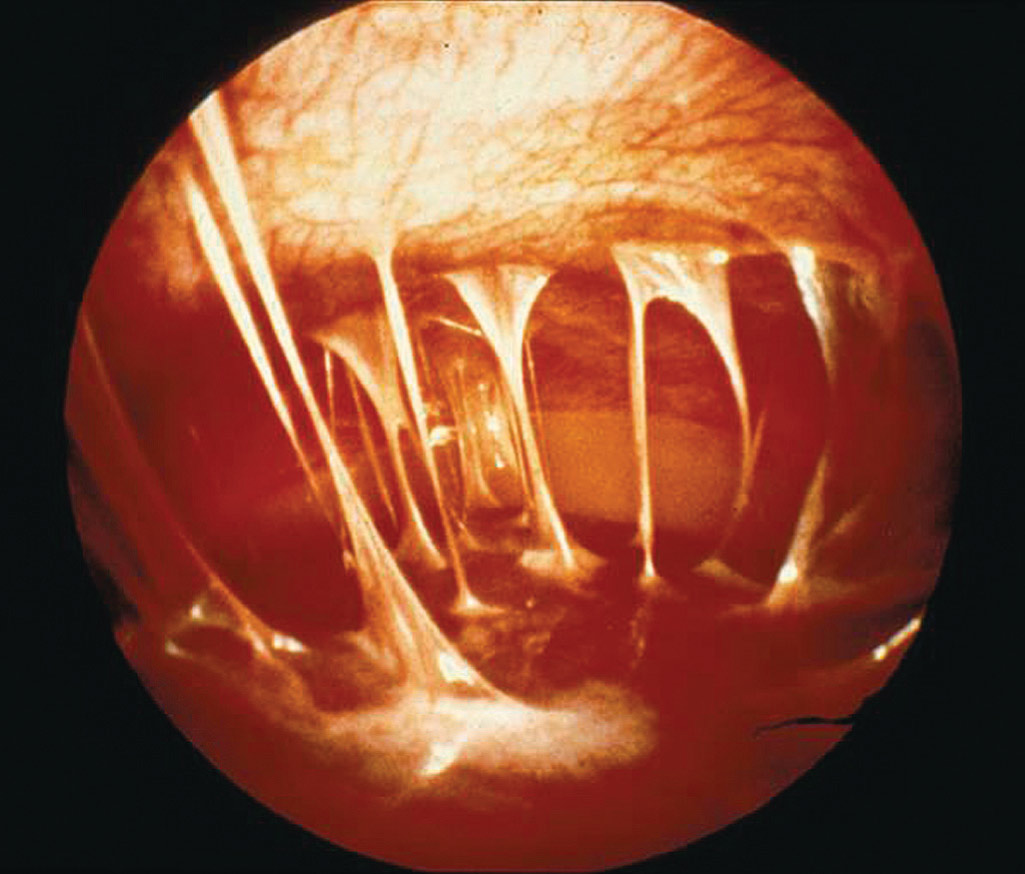
  • •Right upper quadrant tenderness (perihepatitis, Fitz-Hugh-Curtis syndrome [Fig. E1]): 5% to 10% of PID cases may develop right upper quadrant pain, pleuritic pain, and tenderness in the right upper quadrant when the liver is palpated. The pain may radiate to the shoulder or into the back. Liver transaminase levels may be elevated.

Figure E1 Classic Violin String Sign of Fitz-Hugh-Curtis Syndrome in Pelvic Inflammatory Disease
(From Gershenson DM et al: Comprehensive gynecology, ed 8, Philadelphia, 2022, Elsevier.)

NOTE: Women with PID may be asymptomatic and/or have a benign physical examination.

Etiology

PID occurs as a result of ascending infection from the lower genital tract. Infections are often polymicrobial, and although gonorrheal and chlamydial infections are commonly implicated in the development of PID, fewer than 50% of women test positive for these organisms. This is likely due in part to increased STI screening efforts. PID may also arise in the setting of organisms associated with normal vaginal flora such as:

  • •Bacteroides fragilis
  • •Escherichia coli and other enteric gram-negative rods
  • •Gardnerella vaginalis
  • •Haemophilus influenzae
  • •Streptococcus agalactiae

Less common infectious causes include the following: Trichomonas vaginalis, Mycoplasma hominis, Ureaplasma urealyticum, Mycoplasma genitalium (a concern because of antibiotic resistance), Mycobacterium tuberculosis (an important cause in developing countries), and cytomegalovirus (CMV).

Diagnosis ⬆ ⬇

Diagnosis of PID is made when a sexually active female has clinical or pathologic evidence of upper genital tract infection and inflammation, which includes any cervical motion tenderness, uterine tenderness, or adnexal tenderness. Box 1 summarizes the CDC criteria for diagnosing PID. Although no single test or measure reliably diagnoses the spectrum of disorders that comprise PID, a clinical diagnosis of symptomatic PID has a positive predictive value of 65% to 90%:

4MRI, Magnetic resonance imaging; PID, pelvic inflammatory disease; STIs, sexually transmitted infections; WBCs, white blood cells.

BOX 1 Centers for Disease Control and Prevention Guidelines for Diagnosis of Acute Pelvic Inflammatory Disease

Clinical Criteria for Initiating Therapy
Minimum Criteria

Empirical treatment of PID should be initiated in sexually active young women and others at risk for STIs if the following minimum criteria are present and no other causes(s) for the illness can be identified:

  • Lower abdominal tenderness or
  • Adnexal tenderness or
  • Cervical motion tenderness
Additional Criteria for Diagnosing PID

  • Oral temperature >38° C (100.4° F)
  • Abnormal cervical or vaginal discharge (mucopurulent)
  • Presence of abundant WBCs on microscopy of vaginal secretions
  • Elevated erythrocyte sedimentation rate
  • Elevated C-reactive protein
  • Laboratory documentation of cervical infection with Neisseria gonorrhoeae or Chlamydia trachomatis
Findings More Specific to PID

  • •Histopathologic evidence of endometritis on endometrial biopsy
  • •Transvaginal sonography or MRI showing thickened fluid-filled tubes, with or without free pelvic fluid or tuboovarian complex
  • •Laparoscopic abnormalities consistent with PID

From Gershenson DM et al: Comprehensive gynecology, ed 8, Philadelphia, 2022, Elsevier. Data from Workowski KA et al: Sexually transmitted diseases treatment guidelines, 2015, MMWR Recomm Rep 64(RR-03):1-137, 2015.

However, requiring the aforementioned criteria before empiric treatment would not only lead to underdiagnosis and treatment but also delay treatment and lead to unnecessary morbidity.

Differential Diagnosis

  • •Appendicitis
  • •Ectopic pregnancy
  • •Intrauterine/other pregnancy
  • •Ovarian cyst
  • •Adnexal torsion
  • •Endometriosis
  • •Urinary tract infection (cystitis or pyelonephritis)
  • •Diverticulitis
Workup

  • •History: See "Risk Factors" and "Physical Findings & Clinical Presentation"
  • •Physical examination: See "Physical Findings & Clinical Presentation"
Laboratory Tests

  • •Wet mount: Clue cells, increased WBCs
  • •Gram stain of endocervical exudate: >30 polymorphonuclear cells per high-power field correlates with chlamydial or gonococcal infection
  • •Endocervical cultures for N. gonorrhoeae and C. trachomatis
  • •CBC: Leukocytosis
  • •Human chorionic gonadotropin to rule out intrauterine or ectopic pregnancy
  • •Elevated acute phase reactants: ESR >15 mm/h, C-reactive protein
  • •HIV and rapid plasma reagin, with consideration for other STI screening such as hepatitis B surface antigen, hepatitis C Ab (HIV increases incidence of tuboovarian abscess [TOA])
  • •Fallopian tube aspirate or peritoneal exudate culture if laparoscopy or drainage of TOA performed
  • •Endometritis on endometrial biopsy if performed
Imaging Studies

Ultrasonography is commonly used to assess for PID and can be used to determine inpatient vs. outpatient treatment by presence or absence of TOA. Ultrasonographic findings include:

  • •Thick-walled adnexal mass with heterogenous or cystic contents suggestive of abscess
  • •Dilated fallopian tubes (note that normal fallopian tubes are rarely identified on ultrasonography)
  • •"Cogwheel sign" indicating thickened fallopian tube walls
  • •Heterogenous fluid within the endometrium

Computed tomography or MRI scan may be useful to better characterize adnexal masses and/or rule out other pathology, such as appendicitis or renal calculus. Choice of imaging modality will depend on clinical suspicion, logistic access, and associated cost.

Procedures

Endometrial biopsy that reveals endometritis may support a diagnosis of PID. Laparoscopy has been utilized as a gold standard for diagnosing PID, but due to the invasive nature of this procedure and the risks and costs associated, it is rarely indicated as a diagnostic tool.

Treatment ⬆ ⬇

Treatment (Table 1)

Primary management of PID is medical, with broad-spectrum antibiotics administered in an outpatient setting. Inpatient treatment should be initiated when:

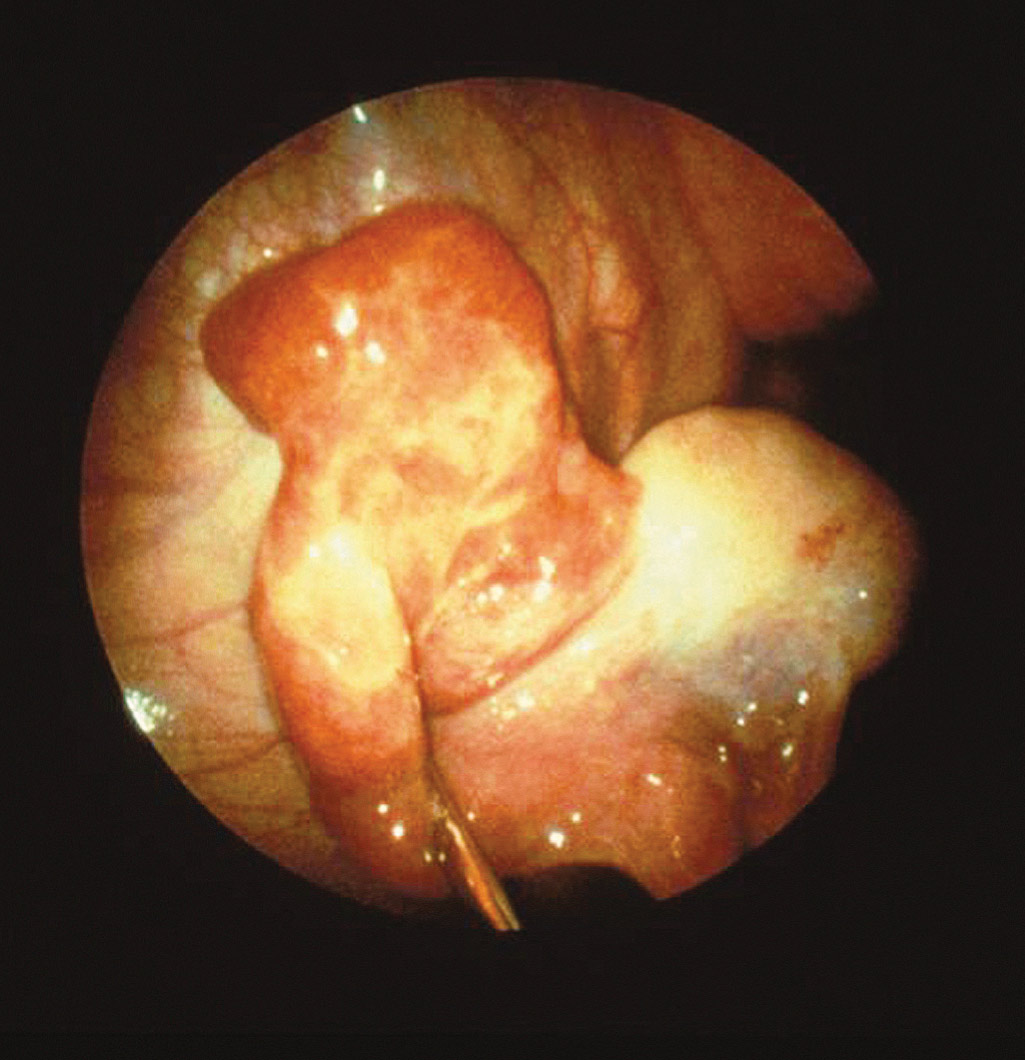
Figure E2 Laparoscopic View of Acute Pelvic Inflammatory Disease and a Tuboovarian Abscess

(From Gershenson DM et al: Comprehensive gynecology, ed 8, Philadelphia, 2022, Elsevier.)

TABLE 1 Recommended Treatment of Acute Pelvic Inflammatory Disease4

Hospitalized Patients
Regimen A
  • Ceftriaxone 1g IV q24h
plus
  • •Doxycycline, 100 mg IV or PO q12h
  • •Metronidazole 500 mg PO or IV q12h
  • •Continue both drugs IV for 24 h after the patient substantially improves, then continue doxycycline, 100 mg PO bid and metronidazole 500 mg BID, to complete 14 days total therapy.
or
Regimen B
  • •Cefotetan 2 g IV q12h
plus
  • •Doxycycline 100 mg PO or IV q12h
Regimen C
  • •Cefoxitin 2g IV q6h
plus
  • •Doxycycline 100 mg PO or IV q12h
Outpatients
  • •Single-dose cefoxitin, 2 g IM, plus probenecid, 1 g PO; or ceftriaxone, 500 mg IM (for persons <150 kg); other parenteral third-generation cephalosporin (e.g., ceftizoxime or cefotaxime)
plus
  • •Doxycycline, 100 mg PO bid for 14 days
plus
  • •Metronidazole, 500 mg PO bid for 14 days

bid, Twice daily; IM, intramuscular; IV, intravenous; PO, by mouth (per os).

Modified from Centers for Disease Control and Prevention: Sexually transmitted diseases treatment guidelines, 2015, MMWR Morb Mortal Wkly Rep 64:60-68, 2015 and www.cdc.gov.std.treatment-guidelines.

The following are evidence-based guidelines recommended by the CDC for acute PID.

Inpatient Regimens

Inpatient regimens consist of intravenous (IV) and oral antibiotics. See Table 1 for treatment regimens.

Outpatient Regimens

Recommended intramuscular (IM)/oral (PO) regimens:

  • •Ceftriaxone 500 mg IM in a single dose PLUS doxycycline 100 mg PO bid for 14 days PLUS metronidazole 500 mg PO bid for 14 days OR
  • •Cefoxitin 2 g IM in a single dose and probenecid 1 g PO administered concurrently in a single dose PLUS doxycycline 100 mg PO bid for 14 days PLUS metronidazole 500 mg PO bid for 14 days OR
  • •Other third-generation cephalosporin (ceftizoxime or cefotaxime) PLUS doxycycline 100 mg PO bid for 14 days PLUS metronidazole 500 mg PO bid for 14 days

Alternative intramuscular/oral regimen if the patient has a cephalosporin allergy:

  • •Levofloxacin 500 mg PO daily PLUS metronidazole 500 mg PO bid for 14 days
  • •Moxifloxacin 400 mg PO daily for 14 days (preferred if M. genitalium)
  • •Azithromycin 500 mg IV daily for 1 to 2 doses followed by 250 mg PO daily for 7 days or in combination with metronidazole 500 mg PO tid for 12 to 14 days

Due to quinolone-resistant N. gonorrhoeae, antimicrobial susceptibility testing should be performed if a culture is positive for gonorrhea in a patient with a cephalosporin allergy. If the isolate is quinolone-resistant, consultation with an infectious disease specialist is recommended.

Treatment Considerations

  • •Antimicrobials should include coverage against N. gonorrhoeae and C. trachomatis even if these organisms are not identified on culture.
  • •Women should avoid sexual activity until they and their sexual partners have been adequately treated and symptoms have resolved.
  • •TOA may require drainage, which may be accomplished by interventional radiology via aspiration or placement of a drain, or by a gynecologist via vaginal or laparoscopic means. Recurrent/persistent TOAs may be managed by total hysterectomy with bilateral salpingo-oophorectomy after acute treatment of infection.
  • •Treatment of PID in women with intrauterine devices (IUDs) does not include/require removal of the device unless there is no clinical improvement after 48 to 72 h of treatment with an approved regimen. IUDs rarely serve as a source for PID, especially >3 wk after insertion.
  • •Sexual partners of patients diagnosed with PID or other STIs should be evaluated and treated appropriately. In the setting of PID, treat all sexual partners within 60 days of onset of symptoms. Some states allow for expedited partner therapy (EPT), such that a woman’s provider is able to supply her with enough medication to treat herself and her partner(s).3
  • •Treatment of chronic PID may be aimed at a different spectrum of microbes and should be tailored appropriately.
Disposition

When clinical improvement is apparent based on symptoms, physical exam, and laboratory criteria, antibiotics may be transitioned from IV to PO with doxycycline PO and metronidazole PO or clindamycin PO (depending on the regimen selected) administered to complete 14 days of total antibiotic therapy. If a patient does not improve despite use of a recommended antibiotic regimen, further workup and potential procedural intervention are warranted.

  • •Given the risk of reinfection, all women should be retested for gonorrhea and Chlamydia 3 mo after treatment.
  • •Follow-up includes confirmation of partner treatment, education on use of barrier contraception, and risks of PID and long-term sequelae, including:
    1. 1.Recurrent PID
    2. 2.Chronic pelvic pain
    3. 3.Fallopian tube damage that leads to infertility and/or ectopic pregnancy
    4. 4.Fitz-Hugh-Curtis syndrome
    5. 5.Potential risk for cancer: Limited studies have suggested a small association between PID and ovarian, endometrial, and colon cancer

Pearls & Considerations ⬆ ⬇

Comments

  • •Maintain a low threshold for the diagnosis and treatment of PID given the risks for progression to severe infection and to significant and chronic medical and reproductive complications.
  • •Most patients are candidates for outpatient therapy, but inpatient hospitalization is recommended in select cases.
  • •Use only CDC-recommended treatment regimens unless contraindicated due to severe patient allergy; in such cases, check local susceptibilities of suspected pathogen.
  • •Offer HIV and other STI screening to all women with suspected or diagnosed PID.
  • •IUDs may be retained unless women have failed to improve with 48 to 72 h of treatment.
  • •Treat sexual partners of women with PID, with EPT if possible.
  • •Counsel patients on abstinence until they and their partners have completed treatment.
  • •Test for reinfection with gonorrhea and Chlamydia 3 mo after treatment.
Prevention

Women aged <25 yr and/or participating in high-risk sexual behavior should be screened annually for gonorrhea and Chlamydia; studies have shown such screening to reduce cases of PID by >50%. The importance of minimizing partner exposures and using barrier contraception (either alone or in conjunction with another method) should also be emphasized.

Related Content

Reference(s) ⬆

  1. Brunham RC : Pelvic inflammatory diseaseN Engl J Med. 372:2039-2048, 2015.
  2. Centers for Disease Control and Prevention: Pelvic inflammatory disease: guidelines for prevention and management. Available at https://www.cdc.gov/mmwr/preview/mmwrhtml/00031002.htm.
  3. St Cyr S : Update to CDC’s treatment guidelines for gonococcal infection, 2020doi:10.15585/mmwr.mm6950a6MMWR Morb Mortal Wkly Rep. 69:1911-1916, 2020.
  4. Centers for Disease Control and Prevention: Pelvic inflammatory disease: treatment guidelines. Available at https://www.cdc.gov/std/treatment-guidelines/pid.htm.