Author: Hannah Hamad, MD and Frank A. Sanchez, MD, MBA

Definition
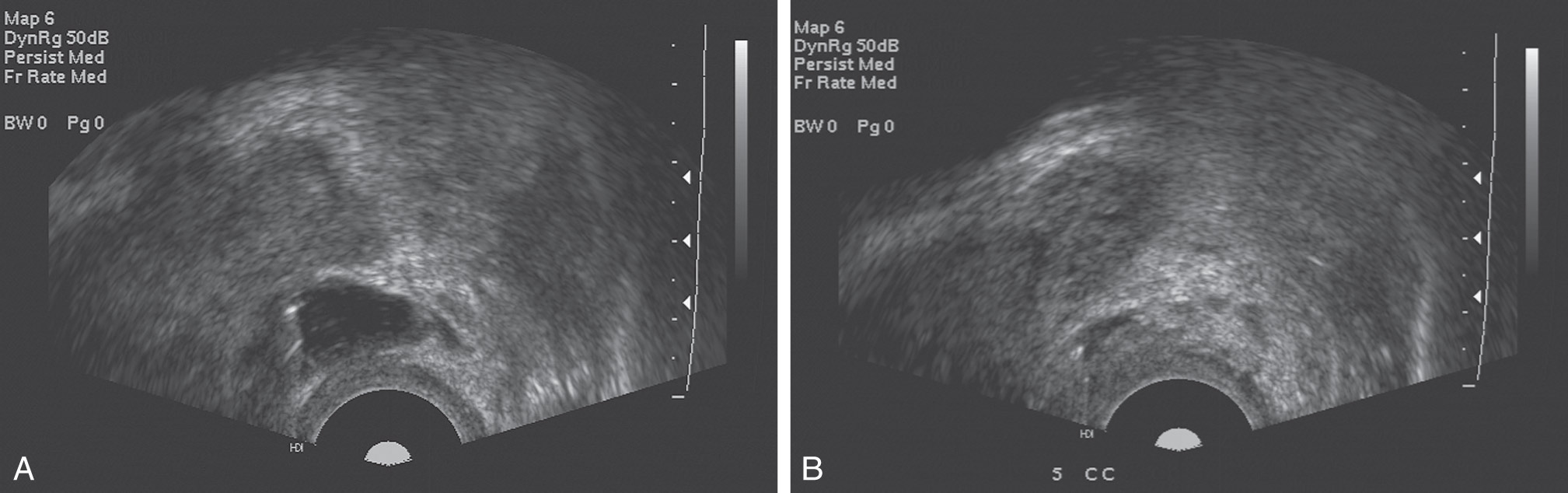
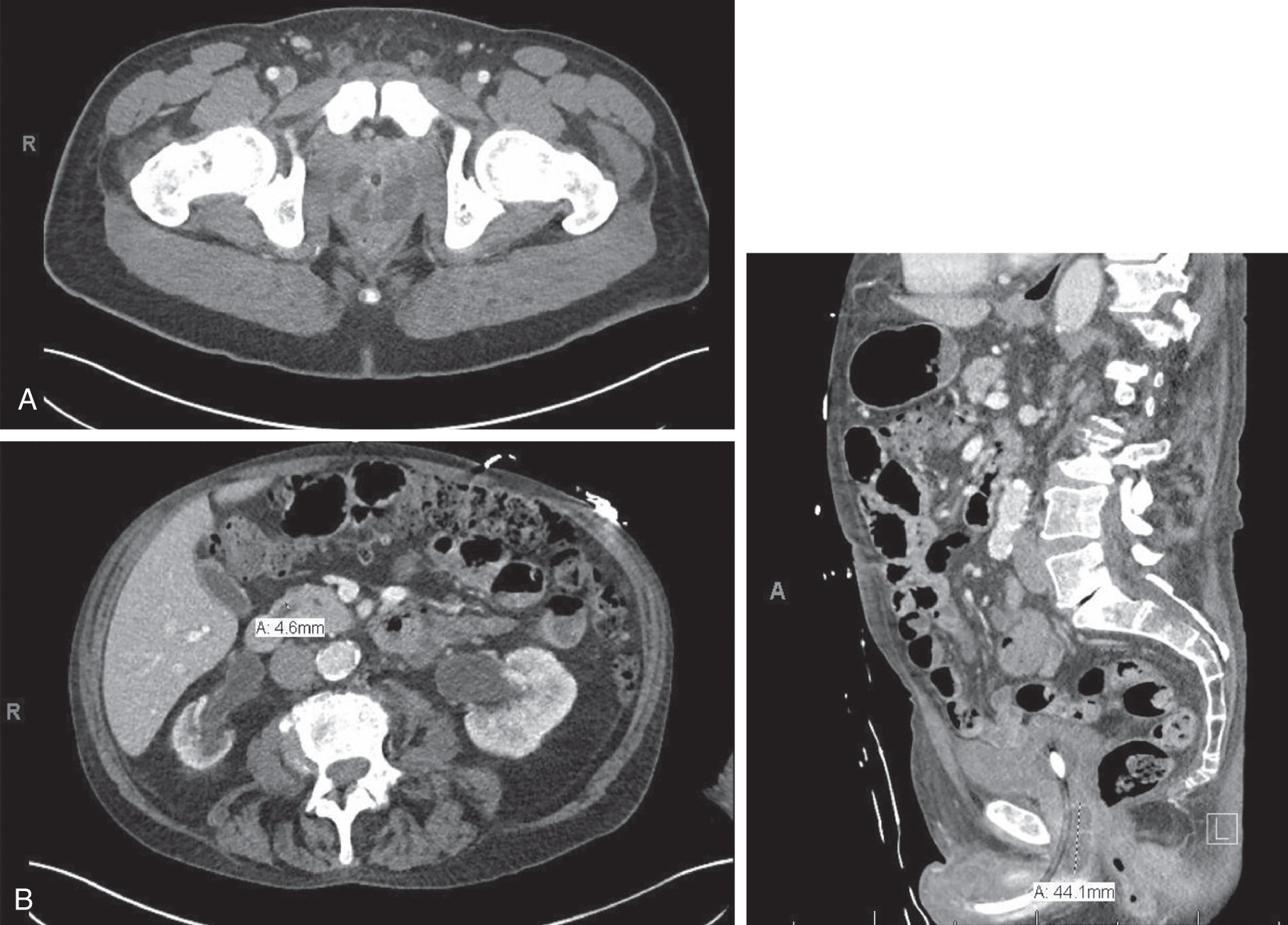
A prostate abscess is a rare but severe inflammatory reaction to an infectious process of the prostate gland that usually results as a complication of suboptimally treated acute prostatitis. Infections are typically introduced when infected urine is refluxed into the prostatic ducts or introduced through instrumentation transrectally via prostate biopsy.
Etiology
- •Historically caused by complication of acute bacterial prostatitis via reflux of infected urine into the prostatic ducts during voiding. However, more recently associated with complications following introduction of instrumentation during prostate biopsy.
- •It is more likely to occur in patients with uncontrolled diabetes, compromised immune systems, and suboptimal treatment of acute prostatitis.
- •Associated with foreign body instrumentation such as intermittent self-catheterization and bladder outlet obstruction.
- •Escherichia coli is the most common cause followed by Klebsiella, Pseudomonas, Proteus, Enterobacter, Serratia, and Enterococcus species.
- •In young and/or sexually active patients (age <35 yr) consider Neisseria gonorrhoeae and Chlamydia trachomatis as the inciting organisms.